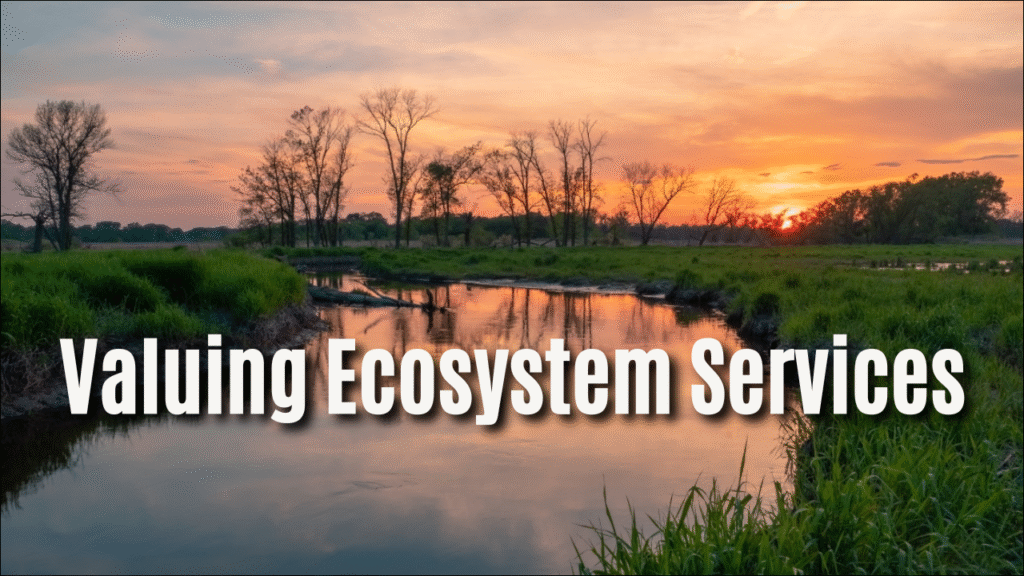
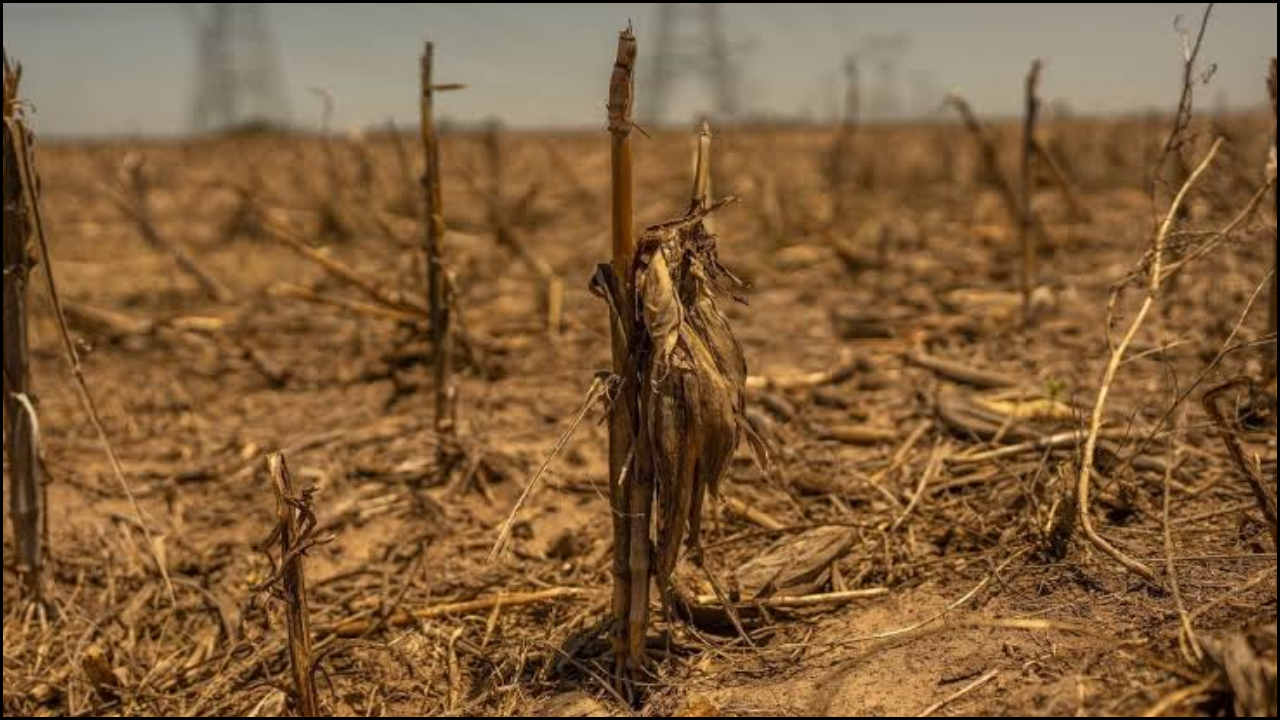
Ecosystems such as forests, wetlands, grasslands, and coral reefs provide vital services that sustain life and support economic development. These natural systems regulate the environment, store carbon, purify water, and supply food and raw materials. Yet, their contributions often go unrecognized in conventional economic assessments. Valuing ecosystem services involves quantifying their ecological, social, and economic benefits to ensure that natural resources are managed sustainably. Understanding how forests and wetlands contribute to human welfare helps bridge the gap between environmental protection and economic planning in developing and developed regions alike.
Table of Contents
Understanding Ecosystem Services
Ecosystem services refer to the benefits that people derive from nature.
They include both tangible goods, like timber, and intangible services such as climate regulation.
Economists and ecologists classify these services into four main categories: provisioning, regulating, supporting, and cultural services.
Recognizing their value helps policymakers design better conservation and resource management strategies.
Categories of Ecosystem Services
Category
Description
Examples
Provisioning Services
Direct products obtained from ecosystems
Food, timber, fuelwood, medicinal plants
Regulating Services
Benefits obtained from the regulation of ecosystem processes
Climate control, flood mitigation, air purification
Supporting Services
Services necessary for the production of all other ecosystem services
Soil formation, nutrient cycling, pollination
Cultural Services
Non-material benefits from ecosystems
Recreation, spiritual enrichment, education
Importance of Valuing Ecosystem Services
Assigning economic value highlights the contribution of natural systems to national economies.
Valuation encourages responsible resource management and sustainable development.
It provides a basis for cost-benefit analysis in environmental policies and development planning.
Incorporating ecosystem services into economic frameworks ensures that conservation becomes an investment, not an expense.
It helps balance human development with ecological stability.
Forests as Providers of Ecosystem Services
Forests play a critical role in maintaining global ecological balance.
They store vast amounts of carbon, mitigating climate change impacts.
Forest ecosystems provide timber, non-timber forest products, and habitat for biodiversity.
They regulate water cycles, prevent soil erosion, and influence rainfall patterns.
Forest landscapes offer cultural and recreational value to communities and tourists alike.
Key Ecosystem Services Provided by Forests
Service Type
Description
Economic or Social Value
Carbon Sequestration
Absorption and storage of carbon dioxide
Climate regulation and carbon trading benefits
Timber and Non-Timber Products
Wood, resins, fruits, and medicinal plants
Livelihoods and export income
Watershed Protection
Regulation of water flow and quality
Reduced flood risks and clean water supply
Biodiversity Habitat
Shelter for flora and fauna
Ecological resilience and genetic resources
Cultural and Recreational Value
Ecotourism and spiritual importance
Community well-being and economic diversification
Wetlands and Their Ecological Significance
Wetlands act as the planet’s natural filters and flood regulators.
They store and purify freshwater, control erosion, and support unique biodiversity.
Coastal wetlands protect communities from storm surges and rising sea levels.
Inland wetlands recharge groundwater and support fisheries and agriculture.
Despite their importance, wetlands face rapid degradation due to urbanization and industrial pollution.
Major Ecosystem Services Provided by Wetlands
Service Type
Function
Benefit
Water Filtration
Removal of pollutants and sediments
Clean drinking water and healthy ecosystems
Flood Control
Absorption of excess rainfall
Reduced flood damage in nearby settlements
Carbon Storage
Retention of organic carbon in soils
Mitigation of climate change
Fisheries and Food Production
Breeding grounds for fish and aquatic life
Sustained livelihoods and nutrition
Tourism and Recreation
Birdwatching and eco-tourism
Economic opportunities and education
Economic Valuation Methods
Economists use several techniques to estimate the monetary value of ecosystem services.
Market Pricing Method: Applies to goods traded in markets like timber and fish.
Replacement Cost Method: Values services based on the cost of replacing them artificially, such as building water treatment plants to substitute for wetlands.
Contingent Valuation Method (CVM): Based on surveys of how much people are willing to pay for conservation.
Travel Cost Method: Estimates recreational value based on expenses incurred by visitors to natural sites.
Benefit Transfer Method: Uses existing valuation studies to estimate value for similar ecosystems elsewhere.
Common Methods for Ecosystem Valuation
Method
Approach
Applicable Services
Example
Market Pricing
Uses actual market data
Timber, fish, crops
Forest products valuation in Indonesia
Replacement Cost
Estimates substitution cost
Water purification, flood control
Wetland restoration in Bangladesh
Contingent Valuation
Surveys willingness to pay
Recreation, biodiversity
Coral reef preservation in Fiji
Travel Cost
Uses tourism expenditure data
Cultural and recreational
National parks in Kenya
Benefit Transfer
Applies data from other studies
All ecosystem types
Mangrove valuation in the Philippines
Ecosystem Services and Climate Regulation
Forests and wetlands act as natural carbon sinks, absorbing atmospheric carbon dioxide.
Wetlands store carbon in organic soils that can remain intact for centuries.
Deforestation and wetland loss release stored carbon, contributing to global warming.
Incorporating ecosystem valuation in climate policy encourages carbon offset programs and sustainable land management.
Biodiversity Conservation through Valuation
Economic valuation strengthens the argument for biodiversity protection.
Assigning monetary value to habitat services justifies conservation investments.
Payment for Ecosystem Services (PES) programs reward local communities for preserving forests and wetlands.
Biodiversity-rich ecosystems attract eco-tourism and scientific research, generating sustainable revenue.
Community and Livelihood Benefits
Local communities depend directly on ecosystem services for their daily needs.
Forest and wetland resources support agriculture, fisheries, crafts, and medicine.
Community-based management ensures equitable distribution of benefits.
Empowering indigenous and rural populations through valuation initiatives fosters stewardship and social inclusion.
Community Benefits of Ecosystem Service Valuation
Community Group
Ecosystem Resource
Economic Benefit
Social Outcome
Forest Dwellers
Timber, honey, medicinal plants
Income generation and trade
Strengthened livelihoods
Farmers
Watershed services
Stable irrigation and crop yield
Food security
Fisherfolk
Wetland and coastal ecosystems
Sustainable fishing practices
Poverty reduction
Local Artisans
Natural fibers and dyes
Increased cultural product value
Preservation of traditional skills
Policy and Governance Approaches
Integrating ecosystem valuation into national accounting systems ensures sustainable economic planning.
Governments can introduce green taxes, conservation subsidies, and eco-compensation mechanisms.
Protected area management should balance ecological integrity with community welfare.
Cross-border cooperation is essential for managing shared ecosystems such as river basins and mangroves.
Strengthening legal frameworks prevents exploitation and supports environmental justice.
Challenges in Ecosystem Valuation
Many ecosystem services lack direct market prices, making valuation complex.
Inadequate data and scientific understanding hinder accurate assessment.
Differences in cultural and ethical perspectives complicate the valuation of spiritual or intrinsic values.
Economic valuation may overlook non-monetary benefits essential to indigenous communities.
Balancing economic growth with ecological preservation requires long-term commitment and education.
Future Directions in Ecosystem Valuation
Integration of remote sensing and artificial intelligence improves ecosystem monitoring.
Natural capital accounting systems quantify environmental contributions to GDP.
Payment for Ecosystem Services models are expanding globally to incentivize conservation.
International cooperation under frameworks like the UN’s Sustainable Development Goals strengthens policy alignment.
Public awareness campaigns promote understanding of nature’s economic and social value.
Closing Reflections
Ecosystem valuation transforms how societies perceive nature—from an exploitable resource to a foundational economic asset. Forests and wetlands offer indispensable services that regulate the planet’s climate, support biodiversity, and sustain livelihoods. Recognizing their worth enables better policy decisions, equitable community participation, and sustainable economic growth. The future of human prosperity depends on acknowledging that environmental wealth underpins financial stability. Valuing ecosystem services ensures that natural ecosystems continue to thrive while supporting human well-being and resilience for generations to come.
She is a creative and dedicated content writer who loves turning ideas into clear and engaging stories. She writes blog posts and articles that connect with readers. She ensures every piece of content is well-structured and easy to understand. Her writing helps our brand share useful information and build strong relationships with our audience.