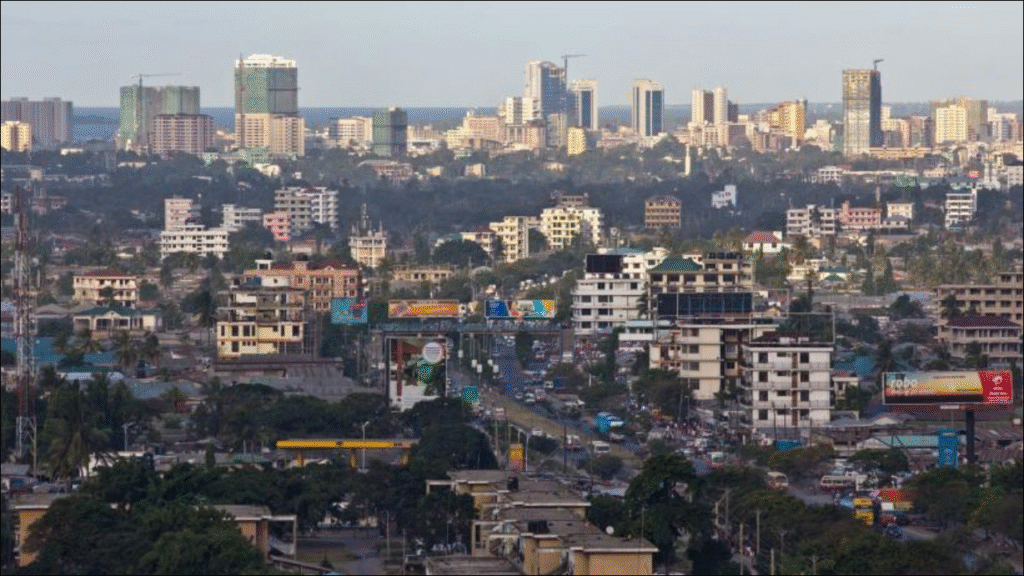
Urban agglomeration plays a central role in shaping modern economic productivity. Cities bring together people, businesses, and institutions in proximity, fostering interactions that drive innovation, efficiency, and growth. As more individuals migrate from rural to urban areas, cities become engines of economic development. The concentration of economic activities within urban regions not only increases productivity but also promotes technological advancement and job creation. Understanding why cities matter provides insight into how urbanization can be managed for sustainable and inclusive growth in both developing and developed nations.
Table of Contents
Meaning of Urban Agglomeration
- Urban agglomeration refers to the spatial concentration of people and economic activities in metropolitan areas and surrounding regions.
- Structure: Includes a central city and its surrounding suburbs, industrial zones, and peri-urban areas.
- Drivers: Economic opportunities, infrastructure availability, and better living standards.
- Characteristics: High population density, interlinked markets, and efficient service delivery.
- Policy relevance: Urban agglomeration forms the foundation of national productivity and innovation strategies.
Why Urban Agglomeration Matters for Productivity
- Knowledge spillovers: Proximity encourages the exchange of ideas among workers and firms.
- Economies of scale: Concentrated production lowers unit costs and improves efficiency.
- Labor market pooling: Cities offer diverse skills and attract specialized talent.
- Infrastructure access: Better transport, communication, and utilities enhance firm competitiveness.
- Innovation ecosystems: Research institutions and businesses collaborate easily in urban settings.
Mechanisms Linking Agglomeration and Productivity
| Mechanism | Description | Impact on Productivity | Example |
|---|---|---|---|
| Localization Economies | Concentration of similar industries in one region. | Promotes efficiency and shared resources. | Silicon Valley for technology industries. |
| Urbanization Economies | Presence of diverse industries and services in cities. | Encourages innovation and cross-sectoral collaboration. | London and New York as financial and cultural hubs. |
| Human Capital Concentration | Skilled individuals cluster in cities. | Enhances knowledge diffusion and creative output. | Bengaluru is attracting IT professionals. |
| Infrastructure Synergies | Shared access to transport and digital networks. | Reduces transaction costs and improves logistics. | Tokyo’s integrated metro and business networks. |
| Market Accessibility | Firms reach large consumer bases easily. | Increases sales and investment potential. | Shanghai’s large urban consumer market. |
The Economics of Agglomeration
- Economies of scale: Larger cities reduce per capita costs of services such as education and healthcare.
- Input sharing: Firms benefit from local suppliers and service providers.
- Labor mobility: Workers can switch jobs without relocating, increasing employment flexibility.
- Innovation networks: Proximity accelerates idea generation and technological diffusion.
- Productivity premium: Studies show urban workers are often more productive and earn higher wages than their rural counterparts.
Empirical Evidence of Urban Productivity
- OECD data: A 10% increase in urban population density often leads to a 2–3% rise in productivity.
- World Bank research: Agglomeration contributes up to 80% of global GDP despite cities covering less than 2% of land area.
- Asian development patterns: Rapid urban growth in China and India has driven industrial output and service sector expansion.
- Developed nations: Cities like Paris, New York, and Seoul demonstrate how dense networks of firms sustain global competitiveness.
Agglomeration Benefits for Firms and Workers
- Firms: Gain from easier access to suppliers, skilled labor, and infrastructure.
- Workers: Enjoy higher wages, better education, and improved career mobility.
- Startups: Benefit from shared resources and venture capital networks.
- Service industries: Expand through access to large consumer bases.
- Public institutions: Deliver education, healthcare, and transport services efficiently.
Urban Agglomeration and Innovation
| Factor | Role in Innovation | Example |
|---|---|---|
| Proximity of Universities | Fosters research collaboration and entrepreneurship. | Boston’s university-led biotech ecosystem. |
| Startup Ecosystems | Provides platforms for experimentation and venture capital. | Tel Aviv’s innovation-driven economy. |
| Cultural Diversity | Enhances creativity and new perspectives. | London’s multicultural tech and design sectors. |
| Cluster Development | Promotes specialized skill networks. | Detroit’s automotive cluster and Tokyo’s electronics hub. |
| Public Infrastructure | Facilitates collaboration through transport and digital systems. | Singapore’s smart city framework. |
Challenges of Urban Agglomeration
- Congestion and pollution: Overcrowding reduces productivity and quality of life.
- Rising inequality: Income gaps widen between urban and rural regions.
- Housing shortages: High demand increases property prices and rental costs.
- Infrastructure strain: Transport and utilities may become overburdened.
- Informal employment: Rapid urbanization can lead to unregulated labor markets.
Balancing Agglomeration and Sustainability
- Decentralized development: Promoting growth in smaller cities can reduce pressure on megacities.
- Smart infrastructure investment: Efficient public transport and green spaces improve livability.
- Affordable housing policies: Inclusionary zoning ensures access for all income groups.
- Digital connectivity: Expanding broadband enables virtual agglomeration and remote productivity.
- Environmental planning: Sustainable urban design mitigates pollution and waste.
Role of Government in Supporting Urban Productivity
- Infrastructure investment: Roads, ports, and power systems enhance competitiveness.
- Urban governance: Transparent institutions and participatory planning improve service delivery.
- Education and training: Human capital development aligns workforce skills with industry needs.
- Innovation incentives: Tax breaks and grants for technology and startups stimulate economic dynamism.
- Regional planning: Balanced policies prevent excessive migration to primary cities.
Comparative Analysis: Developed vs Developing Nations
| Aspect | Developed Economies | Developing Economies |
|---|---|---|
| Urban Infrastructure | Highly advanced and well-planned. | Often under strain due to rapid growth. |
| Industrial Clusters | Mature and technology-driven. | Emerging and diverse in sectors. |
| Labor Productivity | High, driven by automation and innovation. | Improving through urban migration. |
| Governance Quality | Strong regulatory frameworks. | Varies with institutional capacity. |
| Sustainability Focus | Emphasis on green cities and carbon neutrality. | Gradual adoption of sustainable policies. |
Global Examples of Agglomeration Success
- Singapore: Strategic planning and efficient public infrastructure make it a model of productivity.
- Shanghai: Integration of manufacturing, logistics, and finance drives regional development.
- Bengaluru: Agglomeration of IT industries has transformed it into India’s technology capital.
- San Francisco Bay Area: Dense concentration of talent and innovation fosters continuous growth.
- Stockholm: Balanced urban planning promotes productivity while maintaining environmental quality.
Economic Policies to Enhance Urban Agglomeration
- Support for cluster development: Encourage industrial zones with shared facilities.
- Public-private partnerships: Joint investments improve infrastructure efficiency.
- Transport integration: Connectivity between suburbs and city centers increases labor participation.
- Data-driven governance: Smart city analytics improve decision-making and service delivery.
- Fiscal decentralization: Local governments gain autonomy to fund productivity-enhancing projects.
Future of Urban Agglomeration and Productivity
- Digital cities: Smart technologies will create new forms of virtual agglomeration.
- Remote work integration: Hybrid models may redefine urban work patterns.
- Resilient infrastructure: Climate-adaptive designs will sustain productivity amid environmental challenges.
- Sustainable energy use: Green buildings and renewable power will support eco-efficient growth.
- Inclusive planning: Balanced urbanization will prevent excessive inequality and ensure long-term stability.
Future Implications
Urban agglomeration remains one of the strongest drivers of economic productivity. Cities amplify human potential by enabling collaboration, innovation, and efficient production. While urban growth poses challenges such as inequality and congestion, well-planned agglomeration strategies can turn these challenges into opportunities. The future of productivity lies in cities that embrace sustainability, technological advancement, and inclusivity. As the world continues to urbanize, harnessing the power of agglomeration will determine how effectively nations translate urban potential into lasting economic prosperity.