Economic development in any region depends not only on human skills, institutions, and policies but also on geography. Geography determines access to resources, climate conditions, connectivity to trade routes, and exposure to natural hazards—all of which affect productivity, growth, and human welfare. A country’s physical location influences its comparative advantage, agricultural potential, and long-term industrial progress.
Table of Contents
1. Geographic Location and Economic Opportunities
- Geographic location plays a critical role in defining a nation’s economic destiny.
- Countries closer to the equator often experience slower economic growth compared to temperate regions due to extreme climates, disease burdens, and agricultural challenges.
- Coastal nations tend to experience faster economic progress than landlocked ones because of easier access to maritime trade routes and global markets.
- Islands with strategic positions, such as Singapore, have leveraged geography to become trade and logistics hubs.
2. Climate and Agricultural Productivity
- Climate influences crop choices, productivity, and food security.
- Tropical climates with high humidity and rainfall often face challenges such as soil erosion and pest infestation, lowering agricultural yields.
- Temperate zones, with moderate temperatures and reliable rainfall, support higher agricultural productivity and technological innovation in farming.
- Prolonged droughts, floods, and changing monsoon patterns directly impact rural livelihoods and migration patterns.
3. Natural Resources and Economic Growth
- Natural resource endowments—such as oil, minerals, forests, and fertile land—can shape industrial structures and trade patterns.
- Resource-rich countries like Saudi Arabia or Chile have built economies around specific commodities.
- However, the “resource curse” highlights that overreliance on natural resources can reduce diversification and make economies vulnerable to price fluctuations.
- Effective resource management, transparency, and reinvestment in human capital are necessary to convert natural wealth into sustainable development.
4. Topography and Infrastructure Development
- Mountains, rivers, and plains influence infrastructure costs and urban expansion.
- Mountainous areas often face high transportation costs and limited access to markets, slowing industrialization.
- River valleys, such as the Ganges and the Nile, historically served as centers of civilization due to fertile soil and water access.
- Plains and coastal regions encourage the development of transport networks, industrial zones, and population concentration.
5. Access to Trade Routes and Global Integration
- Proximity to navigable waterways enhances trade competitiveness and lowers transportation costs.
- Landlocked nations depend on neighboring countries’ infrastructure and political relations to access ports, increasing dependency and trade costs.
- Integration into global value chains is easier for countries with efficient ports, airports, and road networks.
- International trade corridors like the Silk Road or Belt and Road Initiative illustrate how geography continues to influence economic integration.
6. Environmental Risks and Economic Vulnerability
- Geographic exposure to natural hazards affects economic resilience.
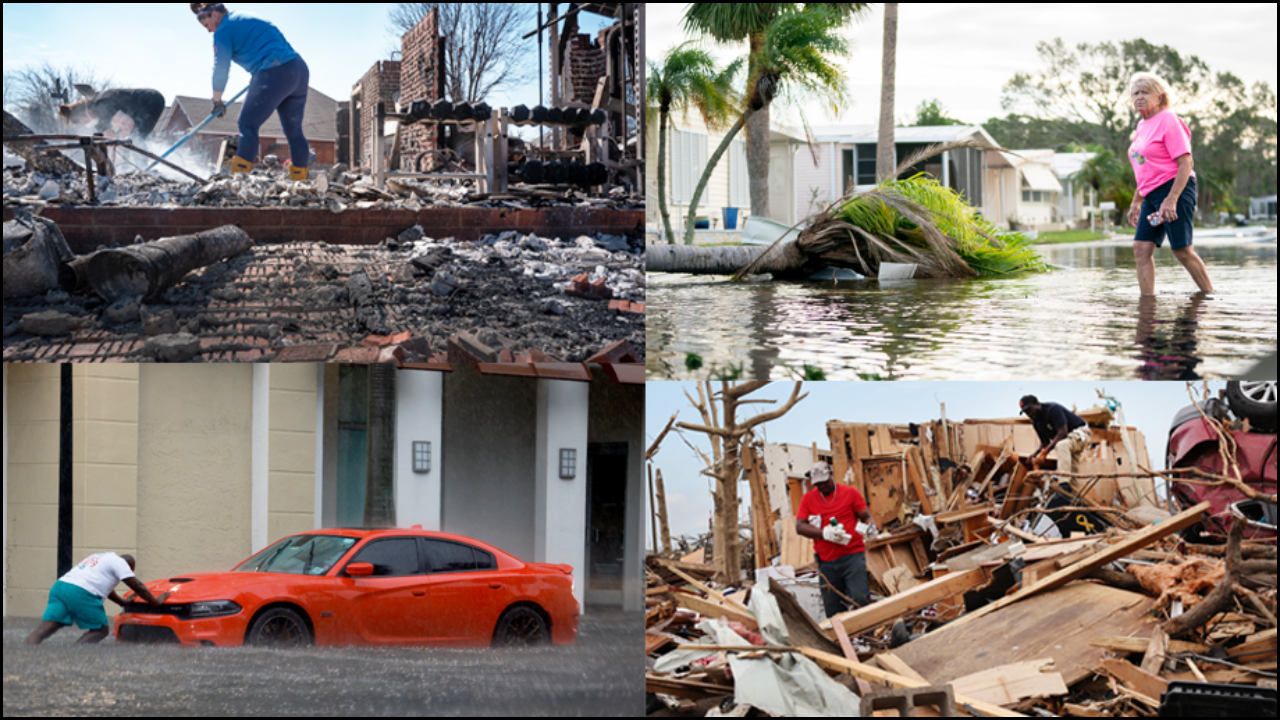
- Coastal regions are more vulnerable to cyclones, tsunamis, and sea-level rise, which can damage infrastructure and displace populations.
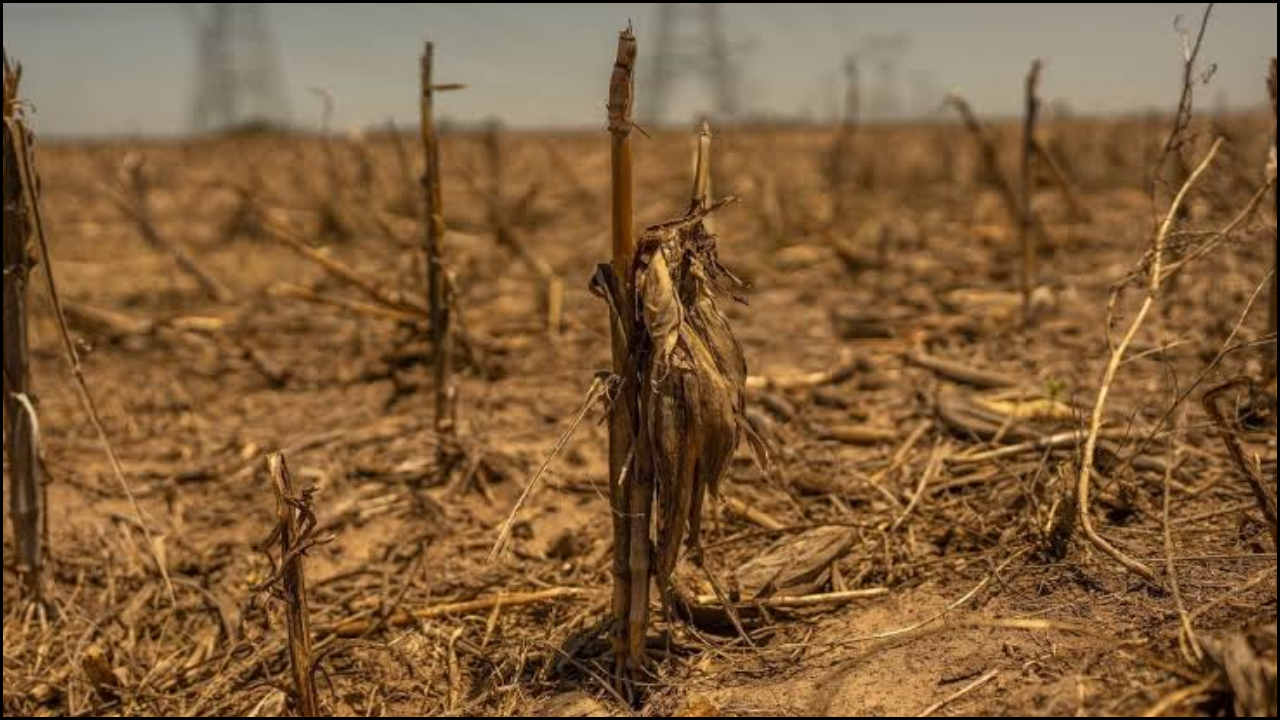
- Drought-prone areas face agricultural losses, food insecurity, and migration pressures.
- Climate adaptation policies and early warning systems are essential for maintaining economic stability in such regions.
7. Urbanization Patterns and Regional Growth
- Geography shapes how cities grow and interact with their surroundings.
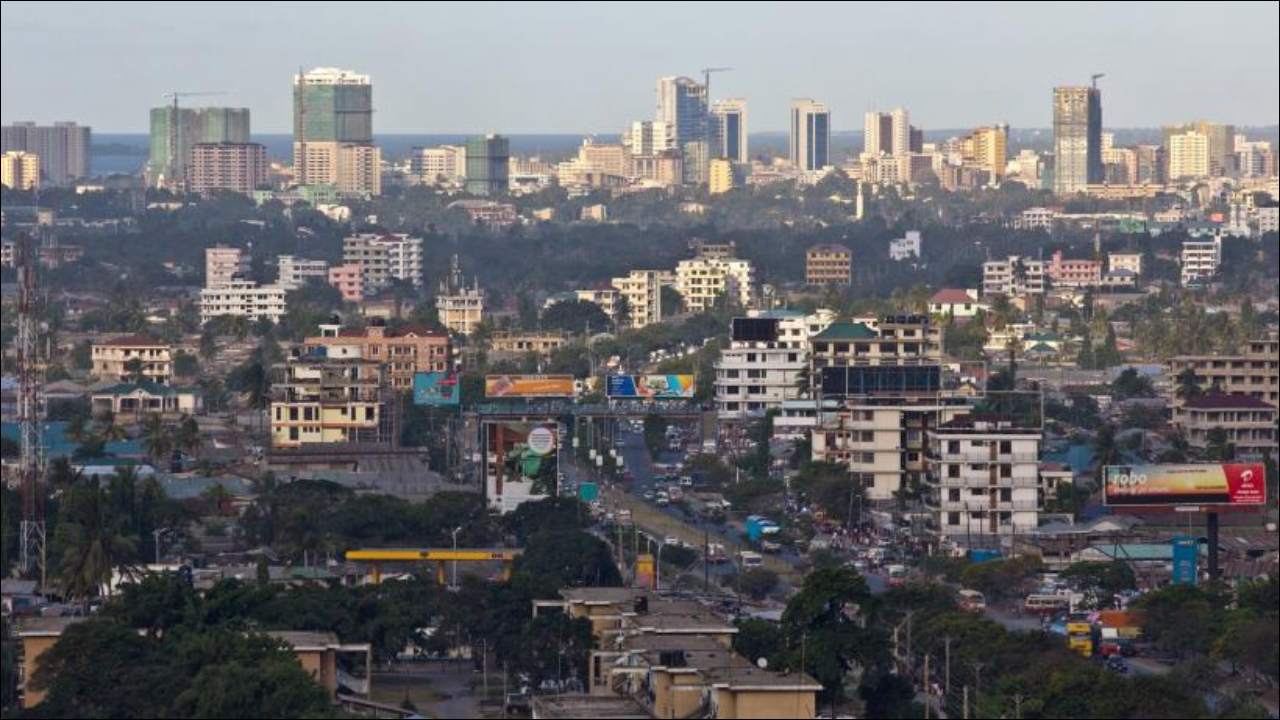
- Coastal and riverine cities often attract industries and skilled labor due to accessibility and connectivity.
- Urban concentration near transport hubs stimulates knowledge spillovers and higher productivity.
- However, unplanned urban growth in geographically constrained regions can lead to congestion, housing shortages, and inequality.
8. Cross-Border Geography and Regional Cooperation
- Shared rivers, mountains, and ecosystems create interdependencies between nations.
- Transboundary water resources like the Mekong or Nile require cooperative management to prevent conflict and promote shared prosperity.
- Regional trade agreements and infrastructure projects help overcome geographic disadvantages.
- Economic corridors linking landlocked and coastal countries can enhance regional value chains and market integration.
9. Technological Adaptation and Geographic Barriers
- Modern technology helps reduce the negative effects of geography.
- Improved transport, telecommunications, and renewable energy allow remote regions to connect with global markets.
- Geographic information systems (GIS) and satellite data help policymakers plan infrastructure and manage resources efficiently.
- Innovations such as solar microgrids and e-commerce platforms enable economic inclusion in geographically isolated areas.
10. Institutional Response to Geographic Constraints
- Effective institutions can mitigate the disadvantages of geography.
- Good governance ensures that natural resources are used sustainably and equitably.
- Investment in infrastructure and education helps counter isolation and build diversified economies.
- Countries like Rwanda and Botswana demonstrate that institutional strength can overcome geographic challenges and sustain economic growth.
Geographic Factors Influencing Economic Development
| Geographic Factor | Economic Impact | Examples |
|---|---|---|
| Coastal Access | Facilitates trade, investment, and tourism | Singapore, South Korea |
| Landlocked Location | Increases transport costs and dependency | Nepal, Chad |
| Climate Type | Affects agriculture and health outcomes | Tropical Africa vs. Europe |
| Natural Resources | Drives export income but risks overreliance | Nigeria, Chile |
| Topography | Determines infrastructure costs and accessibility | Himalayas, Andes |
| Environmental Risks | Influences disaster preparedness and growth | Philippines, Bangladesh |
| Urban Geography | Shapes industrial clustering and productivity | Mumbai, Shanghai |
| Regional Cooperation | Enhances shared development opportunities | ASEAN, African Union |
11. Geography and Human Development Outcomes
- Geographic location influences education, health, and income distribution.
- Mountainous or remote areas often lack access to schools, hospitals, and electricity.
- Poor transport connectivity increases the costs of essential goods and limits job opportunities.
- Coastal and metropolitan regions tend to experience higher literacy rates, better healthcare, and lower poverty levels due to greater access to public services.
12. Case Studies in Geographic Influence
- East Asia leveraged coastal access and favorable geography to build export-driven economies.
- Sub-Saharan Africa faces challenges due to tropical climates, disease environments, and limited navigable rivers.
- Latin America benefits from natural resources and varied topography, but struggles with regional inequality.
- Europe’s temperate climate, river networks, and proximity to markets facilitated the Industrial Revolution and sustained growth.
Summing Up
Geography forms the foundation upon which economic development takes place. Physical landscapes, climate conditions, and resource distributions shape the opportunities and constraints nations face. While location and environment create initial disparities, technology, infrastructure, and effective governance can overcome geographic disadvantages. A country’s ability to adapt to its geography and invest strategically determines whether it transforms natural endowments into lasting prosperity.