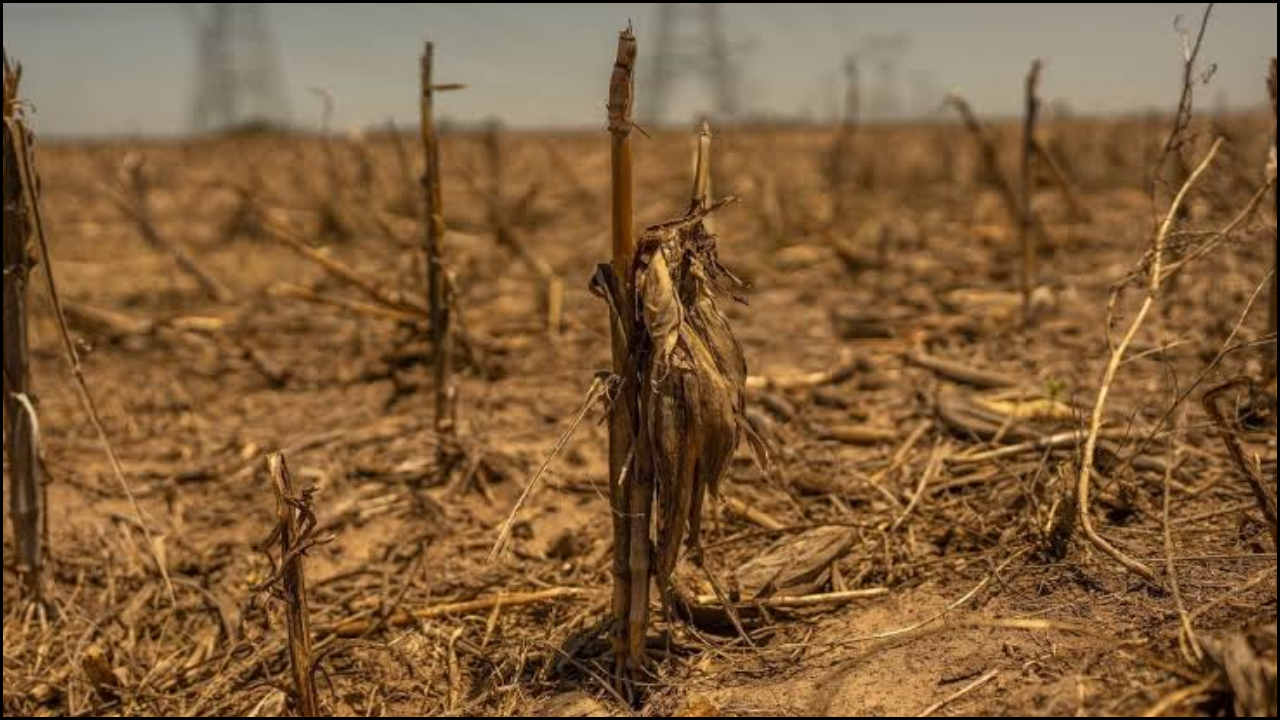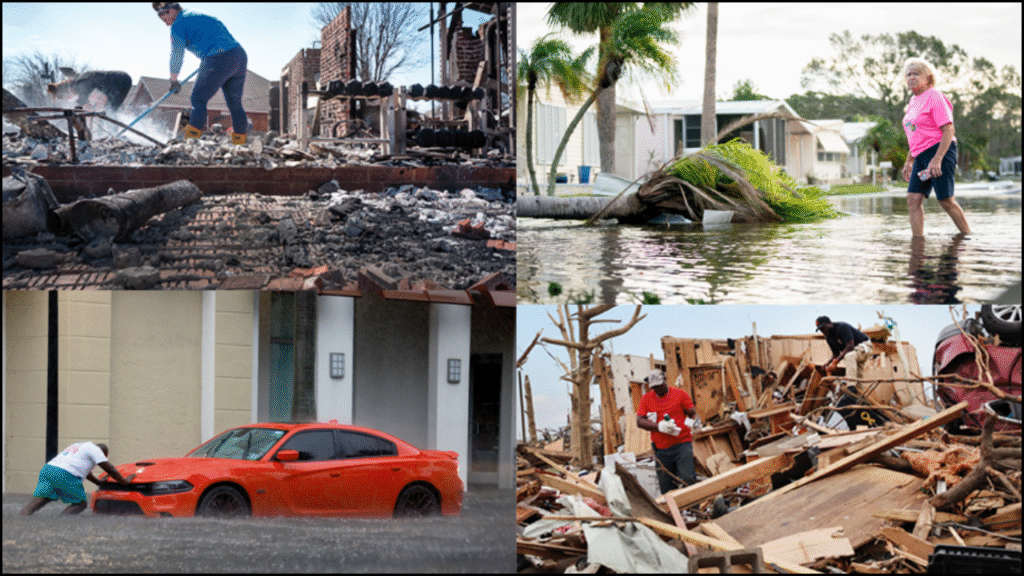
Economic stability depends heavily on a nation’s ability to manage shocks, and few shocks are as destructive as natural disasters. Earthquakes, floods, hurricanes, droughts, and wildfires not only destroy infrastructure and human lives but also cause long-term disruptions to economic systems. Measuring their economic impact helps governments, researchers, and international organizations design effective recovery strategies and improve resilience against future events.
Table of Contents
1. Understanding Economic Impact Measurement
- Economic impact measurement evaluates both the immediate and long-term consequences of natural disasters.
- Direct effects include physical damage to assets such as homes, factories, and roads.
- Indirect effects involve losses in productivity, supply chain disruptions, and reduced consumer spending.
- Broader macroeconomic impacts can include slower GDP growth, inflation spikes, and fiscal stress due to reconstruction spending.
2. Types of Economic Losses
- Direct Losses: Physical destruction of property, public infrastructure, and natural assets.
- Indirect Losses: Production halts, job losses, and a decline in services caused by the initial destruction.
- Intangible Losses: Emotional trauma, loss of heritage sites, and environmental degradation.
- Economic measurement must include both tangible and intangible costs to capture a full picture of disaster impacts.
3. Data Sources for Measuring Impact
- National statistical offices collect data on damages and production losses.
- Remote sensing and satellite imagery help estimate the spatial extent of destruction.
- Insurance claims data provide insights into property and business losses.
- International organizations like the World Bank and UNDP compile cross-country datasets on disaster-related economic impacts.
4. Methods Used in Economic Assessment
- Economists apply several analytical models to measure disaster effects:
- Input-Output Models: Evaluate inter-sectoral dependencies to estimate total losses.
- Computable General Equilibrium (CGE) Models: Simulate economy-wide effects, including price and policy adjustments.
- Cost-Benefit Analysis (CBA): Assesses whether investments in mitigation or recovery generate net economic benefits.
- Difference-in-Differences (DiD): Compares affected and unaffected areas before and after a disaster to measure causal impacts.
5. Measuring Direct Physical Damage
- Physical damage assessment focuses on replacement costs for destroyed infrastructure and housing.
- Engineering surveys and geospatial tools estimate losses in transportation, energy, and communication networks.
- Urban areas with high population density experience disproportionately large losses per square kilometer.
- Reconstruction costs often exceed initial estimates due to inflation, logistical barriers, and material shortages.
6. Evaluating Indirect Economic Losses
- Indirect impacts are more challenging to measure because they extend beyond the disaster zone.
- Business interruptions lead to cascading effects on supply chains, exports, and labor markets.
- Tourism and investment decline temporarily, affecting income generation.
- Econometric models use production, trade, and employment data to quantify indirect economic effects.
7. Social and Distributional Effects
- Natural disasters disproportionately affect low-income groups who lack insurance and savings.
- Economic recovery depends on access to financial resources, credit, and government aid.
- Inequality often widens after disasters, as wealthier households recover faster.
- Measuring these disparities requires micro-level data from household and firm surveys.
8. Role of Insurance and Financial Instruments
- Insurance data serve as a proxy for quantifying economic losses in the private sector.
- Low insurance penetration in developing countries leads to an underestimation of total losses.
- Governments and institutions use catastrophe bonds, parametric insurance, and reinsurance mechanisms to manage risk exposure.
- Evaluating financial resilience is essential for assessing the true economic burden of disasters.
Categories of Economic Impacts from Natural Disasters
| Impact Type | Description | Examples |
|---|---|---|
| Direct Losses | Physical destruction of infrastructure and assets | Collapsed bridges, damaged homes |
| Indirect Losses | Economic activity disruptions after the disaster | Factory shutdowns, trade delays |
| Intangible Losses | Non-monetary costs affecting social and cultural life | Trauma, loss of heritage |
| Fiscal Impact | Increased public spending and reduced tax revenue | Higher debt, reduced budgets |
| Macroeconomic Impact | Long-term changes in GDP, inflation, and employment | Slower growth, unemployment rise |
9. GDP and Macroeconomic Indicators
- Gross Domestic Product (GDP) serves as a common indicator for economic impact measurement.
- Short-term GDP decline reflects reduced production and investment.
- Long-term effects depend on reconstruction efficiency and policy responses.
- Inflation may rise due to supply shortages, while government debt increases from relief and recovery spending.
10. Sectoral Impact Assessment
- Each sector experiences distinct economic consequences after disasters:
- Agriculture: Crop loss, livestock deaths, and soil degradation reduce food supply.
- Manufacturing: Damage to machinery and supply chains halts production.
- Tourism: Visitor cancellations and infrastructure damage reduce revenue.
- Construction: Experiences short-term growth during reconstruction but faces material shortages.
- Public Sector: Faces fiscal stress due to rising recovery expenditures.
Sector-Wise Economic Impact
| Sector | Type of Impact | Long-Term Consequence |
|---|---|---|
| Agriculture | Crop loss, irrigation failure | Food insecurity, migration |
| Manufacturing | Supply chain disruption | Reduced output and exports |
| Tourism | Infrastructure damage | Decline in foreign earnings |
| Construction | Rebuilding demand surge | Inflation in material costs |
| Public Sector | Fiscal pressure | Higher national debt |
11. Human Capital and Productivity Effects
- Disasters disrupt education, healthcare, and employment, affecting long-term productivity.
- School closures and loss of learning time reduce human capital accumulation.
- Health impacts from pollution, stress, and displacement lower workforce efficiency.
- Economic measurement must include these intangible but critical losses in human capacity.
12. Environmental and Ecosystem Costs
- Forest fires, floods, and cyclones cause extensive environmental degradation.
- Loss of wetlands, soil fertility, and biodiversity reduces ecosystem services essential for livelihoods.
- Valuing these losses involves ecosystem accounting and shadow pricing techniques.
- Accurate measurement helps integrate environmental resilience into economic planning.
13. Data-Driven Tools and Innovations
- Satellite imagery, drones, and machine learning models improve damage assessment accuracy.
- Geographic Information Systems (GIS) help map affected regions and prioritize recovery zones.
- Big data analytics combine insurance, survey, and economic datasets to forecast recovery trajectories.
- These innovations allow economists to move beyond traditional, manual assessment methods.
14. Policy and Institutional Responses
- Measuring economic impact guides policy design for disaster risk reduction (DRR).
- Governments use data to plan resilient infrastructure and allocate recovery funds efficiently.
- International institutions apply standardized frameworks, such as the Post-Disaster Needs Assessment (PDNA), to estimate and compare losses.
- Transparent measurement enhances accountability and international aid coordination.
15. Case Studies of Measured Impacts
- Japan (2011 Earthquake and Tsunami): Estimated loss exceeded $235 billion, affecting manufacturing and exports.
- Haiti (2010 Earthquake): Damages equaled 120% of GDP, showing the extreme vulnerability of low-income nations.
- United States (Hurricane Katrina 2005): Economic losses surpassed $160 billion, with long-term demographic shifts.
- India (Kerala Floods 2018): Reconstruction cost around ₹31,000 crore, heavily impacting agriculture and housing sectors.
16. Measuring Recovery and Resilience
- Post-disaster economic measurement continues during recovery to evaluate progress.
- Metrics such as reconstruction spending, employment rebound, and housing completion track recovery speed.
- Resilience indices measure how economies adapt and restore productivity after shocks.
- Long-term monitoring helps refine future disaster preparedness and risk financing strategies.
Final Thoughts
Economic measurement of natural disasters provides essential insights into vulnerability, resilience, and policy effectiveness. Accurate assessment requires combining quantitative models, satellite data, and socioeconomic surveys. Geography, development level, and institutional strength determine how deeply disasters affect economies. A data-driven approach ensures that recovery efforts are not just reactive but transformative—building stronger, more adaptive systems for the future.