Migration is one of the most significant economic forces shaping regional and global development. The movement of labor—whether within national borders or across countries—affects wages, productivity, demographic balance, and economic growth. Understanding the economics of migration and regional labor flows requires examining the motivations behind movement, the costs and benefits for both origin and destination regions, and the long-term structural implications for economies.
Table of Contents
Concept of Migration and Labor Flows
- Migration refers to the movement of people from one place to another, either within a country (internal migration) or across borders (international migration).
- Labor flows represent the transfer of human capital across regions, sectors, or countries in response to economic opportunities.
- Economic migration is often driven by wage differentials, employment availability, and differences in living standards.
- The process plays a vital role in balancing regional labor markets and optimizing the use of human resources.
Economic Theories of Migration
- Neoclassical Theory: Suggests that workers migrate from low-wage to high-wage regions until equilibrium is achieved.
- New Economics of Labor Migration: Views migration as a household strategy to diversify income sources and reduce risk.
- Dual Labor Market Theory: Explains migration as a response to demand for low-skilled labor in developed economies.
- Network Theory: Highlights the role of social connections and migration networks in reducing migration costs and risks.
Push and Pull Factors in Migration
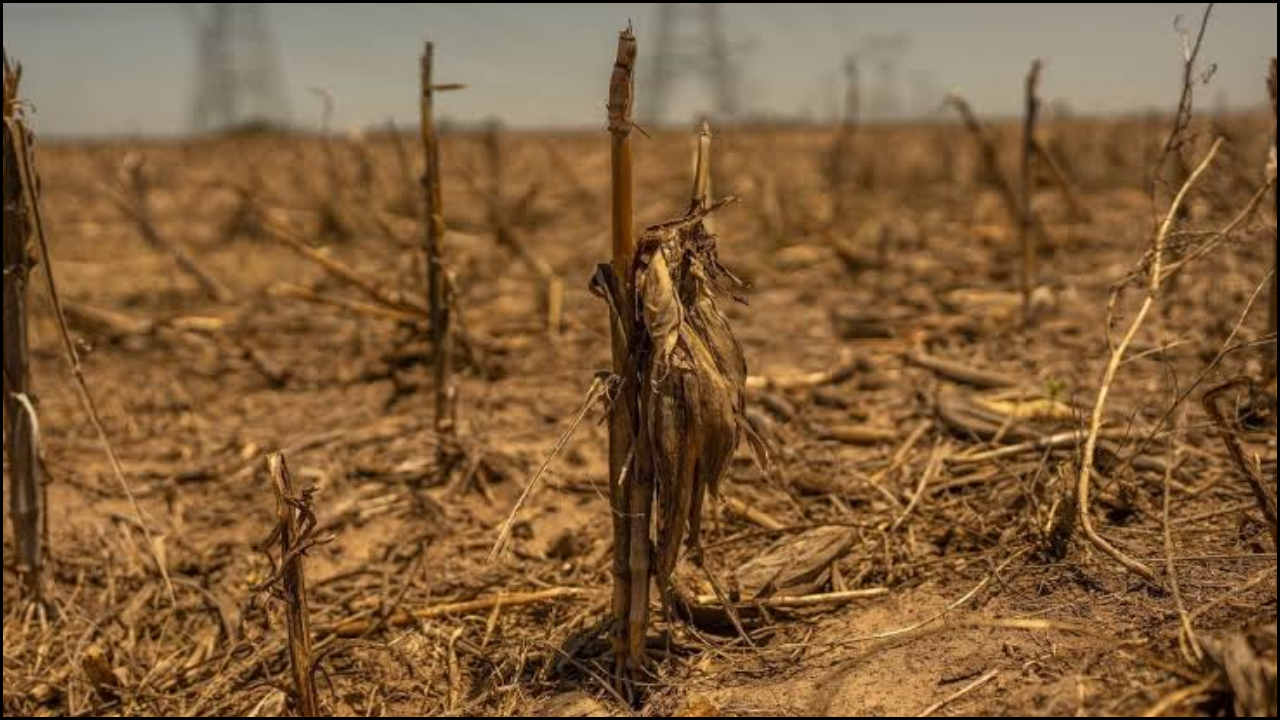
- Push Factors: Unemployment, poverty, political instability, environmental degradation, and lack of services.
- Pull Factors: Better job opportunities, higher wages, safety, education, and improved living conditions.
- Economic disparities between regions create strong incentives for people to relocate in search of better livelihoods.
Economic Push and Pull Factors of Migration
| Category | Push Factors (Origin) | Pull Factors (Destination) |
|---|---|---|
| Employment | Job scarcity, underemployment | Higher wages, labor demand |
| Living Standards | Low income, poor housing | Better amenities, infrastructure |
| Education | Limited opportunities | Quality schools and training |
| Political Stability | Conflict or corruption | Peaceful environment |
| Environmental | Droughts, floods | Stable climate conditions |
Internal Migration and Regional Development
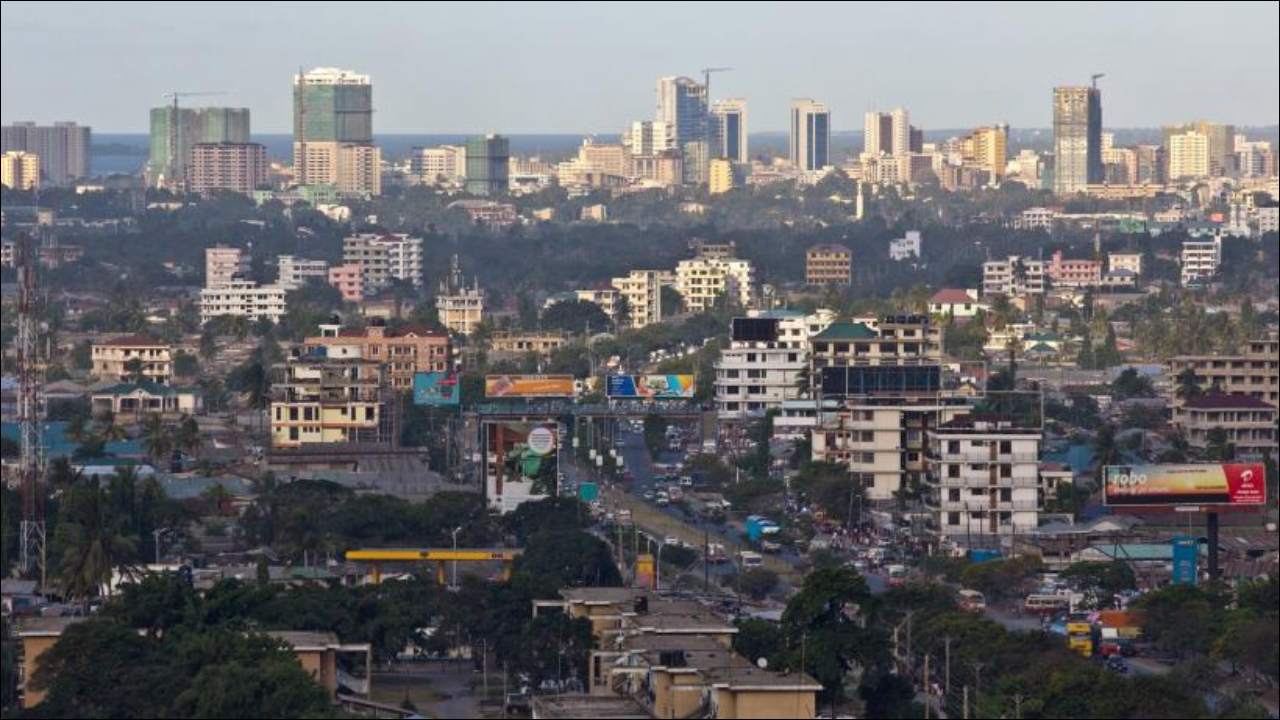
- Internal migration often occurs from rural to urban areas as people seek industrial or service-sector jobs.
- Rapid urbanization creates both opportunities and challenges for cities.
- Migrants contribute to economic dynamism but also strain housing, health, and transport infrastructure.
- Rural areas may experience depopulation, labor shortages, and aging populations.
- Policies promoting balanced regional development can reduce excessive urban concentration.
International Labor Migration
- Cross-border migration contributes to global economic integration.
- Migrant workers fill labor shortages in sectors such as construction, healthcare, and agriculture.
- Remittances sent by migrants support families, fund education, and stimulate local economies in origin countries.
- However, brain drain—where skilled workers leave developing nations—can slow domestic innovation and growth.
Economic Benefits for Destination Countries
- Migrants expand the labor force, support population growth, and fill skill gaps.
- Increased labor supply can reduce production costs and enhance competitiveness.
- Migrants contribute to tax revenues and consumer demand.
- Cultural diversity fosters innovation and entrepreneurship.
- However, managing integration, social cohesion, and wage competition remains a policy challenge.
Economic Impact on Origin Countries
- Outmigration can reduce unemployment and ease labor market pressure.
- Remittances serve as a critical source of foreign exchange and household income.
- Returning migrants often bring new skills and business ideas.
- Excessive emigration, however, may reduce the skilled labor base, limiting economic diversification.
- Balanced migration management helps ensure long-term benefits.
Economic Effects of Migration on Origin and Destination Regions
| Aspect | Origin Region | Destination Region |
|---|---|---|
| Labor Market | Reduced pressure on jobs | Increased labor supply |
| Income | Remittance inflows | Wage competition |
| Skills | Brain drain risk | Skill diversity |
| Public Finance | Increased remittance tax revenue | Higher public service demand |
| Investment | Diaspora-driven business | Expanded consumer market |
Remittances and Economic Growth
- Remittances are financial transfers from migrants to their home countries.
- These inflows improve household consumption, education, and healthcare.
- They act as counter-cyclical income, stabilizing economies during downturns.
- Countries like the Philippines, Mexico, and Nepal rely heavily on remittances for GDP support.
- Encouraging productive use of remittances—such as investment in businesses—can multiply economic benefits.
Migration and Labor Market Dynamics
- Migration affects wage levels, employment rates, and skill distribution.
- Low-skilled immigration can reduce wages in certain sectors, but overall economic output tends to increase.
- Skilled migration enhances innovation and productivity in knowledge-based industries.
- Seasonal migration helps balance labor demand during agricultural or construction cycles.
Demographic and Social Effects
- Migration helps offset population aging in developed regions.
- In origin countries, youth outmigration can reduce social vitality.
- Gender dynamics shift as more women migrate independently for work.
- Family separation, social adaptation, and cultural diversity become major social issues requiring inclusive policies.
Regional Labor Integration Initiatives
- Economic unions such as the European Union (EU) and ASEAN Economic Community (AEC) promote labor mobility.
- Free movement of labor enhances efficiency and equalizes employment opportunities.
- Such frameworks help balance demographic imbalances and skill shortages across regions.
- However, disparities in labor standards and wages can create tensions if not harmonized.
The Role of Technology in Migration Economics
- Digital platforms facilitate recruitment, skill matching, and remittance transfers.
- Remote work reduces the need for physical migration while connecting workers globally.
- Technology helps governments monitor migration flows and improve policy design.
- E-learning and online certifications empower migrants to upskill for global markets.
Policy Approaches to Managing Migration
- Effective migration policies balance economic needs with social integration.
- Governments should ensure fair labor practices, recognition of skills, and protection of migrant rights.
- Investment in regional development reduces push factors that cause forced migration.
- Bilateral labor agreements help manage flows and protect workers.
- Public awareness campaigns promote understanding and social cohesion.
Policy Tools for Sustainable Migration Management
| Policy Tool | Purpose | Expected Outcome |
|---|---|---|
| Skill Recognition Frameworks | Facilitate migrant employment | Reduced underemployment |
| Bilateral Labor Agreements | Regulate migration flows | Protection of worker rights |
| Remittance Facilitation Programs | Lower transfer costs | Increased household income |
| Regional Development Policies | Address root causes of migration | Balanced growth |
| Integration Initiatives | Support social inclusion | Stronger community cohesion |
Migration, Inequality, and Development
- Migration can reduce global inequality by transferring income from rich to poor regions.
- However, unequal access to migration opportunities can deepen disparities.
- Skilled migrants gain more economic mobility compared to low-skilled workers.
- Inclusive development policies are needed to ensure equitable benefits from migration.
Future Trends in Migration Economics
- Climate change and automation are emerging drivers of migration.
- Environmental migration is expected to rise as climate-related disasters displace populations.
- Digital labor markets will increase cross-border remote employment.
- Demographic transitions in developed economies will sustain demand for migrant labor.
In Summary
Migration remains an essential component of economic transformation and regional integration. The flow of labor across borders redistributes skills, income, and opportunity, benefiting both origin and destination economies. However, the outcomes depend on effective policy management, skill recognition, and inclusive growth strategies. Recognizing migration as a dynamic economic process rather than a social challenge enables nations to harness its full potential for sustainable development and global prosperity.