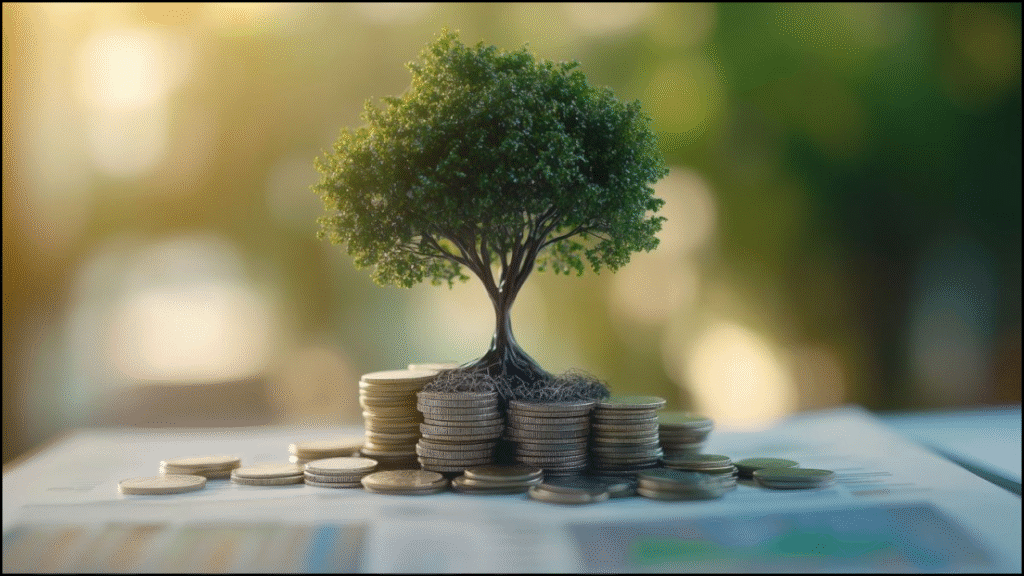
Economic growth and environmental sustainability are deeply interconnected, especially at the local level. Environmental policies are designed to regulate pollution, conserve natural resources, and promote sustainable practices. However, these policies do not operate in isolation—they shape local industries, labor markets, and public health outcomes. By influencing production costs, innovation patterns, and employment opportunities, environmental policies can both challenge and strengthen local economies. Understanding these effects helps policymakers balance ecological goals with economic resilience.
Table of Contents
Meaning of Environmental Policies
Environmental policies refer to laws, regulations, and guidelines aimed at managing human impact on the environment.
They address issues such as air and water pollution, waste management, deforestation, and climate change.
Governments, international organizations, and local authorities use these policies to ensure sustainable development.
Effective policies promote cleaner production, renewable energy use, and ecosystem preservation.
Key Types of Environmental Policies
Type
Description
Purpose
Regulatory Policies
Set limits or standards for emissions, waste, or resource use.
Reduce pollution and protect natural ecosystems.
Market-Based Instruments
Include carbon taxes, cap-and-trade systems, and green subsidies.
Encourage businesses to adopt cost-effective environmental practices.
Voluntary Agreements
Non-mandatory commitments by industries to meet sustainability targets.
Promote corporate responsibility and innovation.
Information-Based Policies
Require companies to disclose environmental performance data.
Increase transparency and public awareness.
Land-Use and Conservation Policies
Govern zoning, protected areas, and resource management.
Preserve biodiversity and prevent habitat destruction.
Objectives of Environmental Policies
Protect air, water, and soil from industrial contamination.
Encourage renewable energy adoption and energy efficiency.
Promote green innovation and low-carbon technologies.
Safeguard human health and improve the quality of life.
Ensure sustainable resource use for long-term economic stability.
Direct and Indirect Effects of Environmental Policies on Local Economies
Effect Type
Description
Economic Outcome
Direct Effects
Regulations increase compliance costs for firms.
Temporary rise in operational expenses.
Indirect Effects
Cleaner environments attract investment and tourism.
Long-term growth and job creation.
Innovation Effects
Policies drive technological upgrades and efficiency.
Improved competitiveness and productivity.
Health Effects
Reduced pollution leads to better worker health.
Higher labor productivity and lower healthcare costs.
Positive Impacts on Local Economies
Job Creation: Green industries like renewable energy, recycling, and eco-tourism generate local employment.
Investment Attraction: Regions with strong environmental standards attract sustainable investors.
Public Health Benefits: Cleaner air and water reduce medical costs and absenteeism.
Resource Efficiency: Reduced waste and energy use improve business profitability.
Resilience Building: Sustainable practices protect communities from climate-related disasters.
Examples of Positive Economic Transformation
Region
Policy Implemented
Local Economic Impact
Kerala, India
Plastic ban and waste segregation initiatives.
Boost in recycling startups and local composting businesses.
Germany
Renewable energy subsidies under the Energiewende policy.
Growth in local solar and wind energy industries.
Costa Rica
Payment for ecosystem services (PES) program.
Expansion in eco-tourism and forest-based livelihoods.
California, USA
Cap-and-trade carbon market.
Revenue reinvested in green infrastructure and community programs.
Challenges Faced by Local Economies
Challenge
Explanation
High Compliance Costs
Small firms struggle with expenses related to pollution control equipment.
Industrial Relocation Risk
Businesses may move to areas with fewer regulations.
Short-Term Job Losses
Closure of polluting industries may affect employment temporarily.
Administrative Burden
Local governments need resources to monitor and enforce policies.
Unequal Impact
Rural and low-income regions may lack access to green funding.
Impact on Local Industries
Manufacturing: Faces initial adaptation costs but gains from improved energy efficiency.
Agriculture: Adopts sustainable farming methods that enhance soil fertility and reduce input costs.
Tourism: Benefits from cleaner landscapes and biodiversity conservation.
Construction: Shifts toward green building materials and energy-saving designs.
Transportation: Transition to electric mobility stimulates new service sectors.
Sector-Wise Impact of Environmental Policies
Sector
Positive Impacts
Challenges
Energy
Growth in renewables and grid modernization.
High transition costs from fossil fuels.
Agriculture
Organic certification and export opportunities.
Adaptation to sustainable techniques takes time.
Manufacturing
Technological innovation and cleaner production.
Need for capital investment in equipment.
Tourism
Enhanced eco-tourism and local income.
Dependence on strict environmental compliance.
Waste Management
Creation of recycling and circular economy jobs.
Infrastructure gaps in smaller towns.
Role of Local Governments
Enforce national environmental regulations and provide incentives for compliance.
Develop community-based waste management and conservation programs.
Encourage small businesses to adopt green practices through subsidies and training.
Partner with educational institutions to build environmental awareness.
Monitor local environmental indicators like air quality, deforestation, and water use.
Community Participation and Public Awareness
Local communities play a vital role in implementing policies effectively.
Public participation ensures transparency and shared responsibility.
NGOs and cooperatives help rural areas access eco-friendly technologies.
Awareness campaigns promote behavioral change and reduce resistance to policy adoption.
Grassroots involvement leads to long-term environmental stewardship.
Economic Instruments Supporting Local Sustainability
Instrument
Description
Local Economic Role
Green Taxes
Charges on pollution or resource extraction.
Encourages cleaner production and funds local environmental projects.
Subsidies and Grants
Financial support for renewable energy or conservation activities.
Lowers cost barriers for small businesses.
Tradable Permits
Allow firms to buy and sell emission rights.
Promotes cost-effective pollution reduction.
Public Procurement Policies
Government preference for eco-friendly products.
Stimulates local green manufacturing.
Community Development Funds
Local revenue from environmental taxes reinvested in infrastructure.
Improves regional resilience and employment.
Innovation and Technological Advancement
Environmental regulations often drive technological breakthroughs.
Firms adopt cleaner machinery and develop pollution-control solutions.
Green innovation enhances competitiveness in international markets.
Startups emerge in areas like solar installation, waste recycling, and sustainable packaging.
Collaboration between local universities and industries accelerates research and application.
Long-Term Economic Resilience
Sustainable policies build resilience against natural disasters and resource scarcity.
Local economies diversify into eco-industries, reducing dependence on extractive sectors.
Green infrastructure investments lower maintenance and energy costs over time.
Healthier environments increase productivity and overall quality of life.
Stable ecosystems support continuous economic opportunities such as tourism and agriculture.
Case Studies Highlighting Local Impacts
Country/Region
Environmental Initiative
Outcome
Denmark
Transition to wind power.
Boosted local employment and energy independence.
Vietnam
Coastal mangrove restoration.
Strengthened fisheries and protected local livelihoods.
Kenya
Ban on single-use plastics.
Growth in biodegradable packaging industry.
Brazil (Amazon region)
Forest monitoring and reforestation.
Enhanced eco-tourism and carbon credit revenue.
Balancing Growth and Sustainability
A well-designed policy framework ensures that economic growth aligns with ecological goals.
Transition support programs help workers move from high-emission to green sectors.
Financial incentives attract private investment in clean technologies.
Transparent governance prevents corruption and ensures equitable benefits.
Continuous evaluation maintains the right balance between regulation and innovation.
Comparison between Weak and Strong Environmental Policy Outcomes
Policy Strength
Economic Impact
Environmental Outcome
Weak Policy
Short-term industrial growth but long-term pollution costs.
Resource depletion and health issues.
Strong Policy
Sustainable economic diversification and innovation.
Cleaner environment and improved resilience.
End Notes
Environmental policies are powerful tools that shape the economic trajectory of local communities. While they may impose short-term adjustments on businesses, their long-term benefits far outweigh the costs. By fostering cleaner industries, enhancing public health, and encouraging innovation, these policies create a foundation for inclusive and sustainable economic growth. A balanced approach—combining regulation, incentives, and community participation—ensures that environmental protection becomes a driver of local prosperity rather than a constraint on development.
She is a creative and dedicated content writer who loves turning ideas into clear and engaging stories. She writes blog posts and articles that connect with readers. She ensures every piece of content is well-structured and easy to understand. Her writing helps our brand share useful information and build strong relationships with our audience.