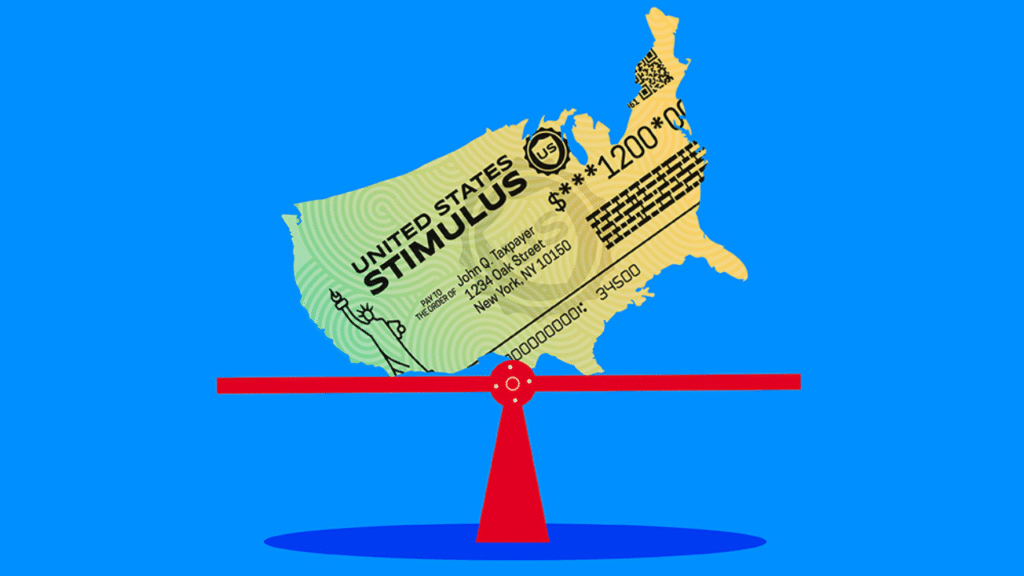
The post-pandemic era has challenged economies worldwide, forcing governments to adopt measures that stabilize growth, control inflation, and support households and businesses. Two primary tools are at the center of these efforts: monetary policy and fiscal policy. Both have distinct mechanisms, strengths, and limitations, and understanding their impact is essential for policymakers, economists, and the public.
Table of Contents
Understanding Monetary Policy
Monetary policy involves actions by a country’s central bank to regulate money supply and influence interest rates. Its primary objectives are controlling inflation, ensuring price stability, and promoting employment. In the post-pandemic recovery, central banks such as the Federal Reserve in the United States implemented low interest rates and large-scale asset purchases to encourage borrowing and spending.
Key tools of monetary policy include:
- Interest Rate Adjustments – Lowering rates reduces borrowing costs for businesses and consumers.
- Quantitative Easing – Central banks buy financial assets to inject liquidity into the economy.
- Reserve Requirements – Changing banks’ reserve requirements can affect lending capacity.
Monetary policy can respond quickly to economic shifts and often stabilizes financial markets. However, its effectiveness may be limited when interest rates are already near zero, a situation known as the liquidity trap.
Understanding Fiscal Policy
Fiscal policy refers to government spending and taxation decisions aimed at influencing economic activity. In a post-pandemic context, governments have launched stimulus packages, unemployment benefits, tax rebates, and infrastructure investments to support recovery. Fiscal policy directly injects money into the economy, creating demand and potentially reducing unemployment.
Key tools of fiscal policy include:
- Government Spending – Infrastructure projects, social welfare, and healthcare funding.
- Tax Policy – Tax cuts or incentives to encourage consumption and investment.
- Transfer Payments – Direct cash assistance to households, such as stimulus checks.
Fiscal policy can have an immediate impact on demand, but it may increase budget deficits and public debt, creating long-term fiscal challenges.
Comparing Effectiveness
Both policies aim to revive economic growth, but their effectiveness depends on context, economic conditions, and the type of crisis. During the pandemic:
- Monetary policy stabilized financial markets and encouraged borrowing, but low consumer confidence limited spending.
- Fiscal policy provided direct relief to households and businesses, boosting demand more immediately.
Economists argue that a combination of both policies often yields the best outcomes. While monetary policy supports credit flow and liquidity, fiscal policy ensures that money reaches the real economy quickly.
Overview Table
| Slower due to the legislative process | Monetary Policy | Fiscal Policy |
|---|---|---|
| Responsible Authority | Central Bank (e.g., Federal Reserve) | Government / Treasury Department |
| Tools Used | Interest rates, quantitative easing, reserve requirements | Government spending, tax cuts, transfer payments |
| Speed of Implementation | Quick adjustments possible | Slower due to legislative process |
| Direct Impact | Primarily on financial markets and lending | Direct effect on households, businesses, and aggregate demand |
| Limitation | Less effective in liquidity traps | May increase public debt |
| Official Reference | Federal Reserve – Monetary Policy | — |
Challenges and Considerations
- Inflation Risk – Excessive fiscal spending combined with loose monetary policy may trigger inflation.
- Debt Sustainability – Large fiscal deficits require careful planning to avoid long-term debt crises.
- Policy Coordination – Monetary and fiscal measures must complement each other to maximize recovery impact.
- Behavioral Factors – Public confidence, savings behavior, and market expectations can influence policy effectiveness.
Conclusion
Post-pandemic recovery requires a balanced approach. Monetary policy ensures liquidity and credit stability, while fiscal policy delivers direct support to households and businesses. Neither tool alone is sufficient; combined strategies tailored to current economic conditions offer the most effective path to growth, employment, and financial stability.
Governments and central banks must continuously monitor economic indicators, adjust measures as needed, and communicate clearly to maintain public trust. Understanding these policies helps citizens grasp how economic decisions affect everyday life, from employment opportunities to borrowing costs and government services.
FAQs
1. Which is more effective for immediate economic relief?
Fiscal policy, because it directly boosts demand through spending and transfers.
2. Can monetary policy alone restore post-pandemic growth?
Not fully, especially when interest rates are already low; fiscal support is usually required.
3. Where can I find official updates on U.S. monetary policy?
The Federal Reserve website provides all official monetary policy updates: Federal Reserve – Monetary Policy.