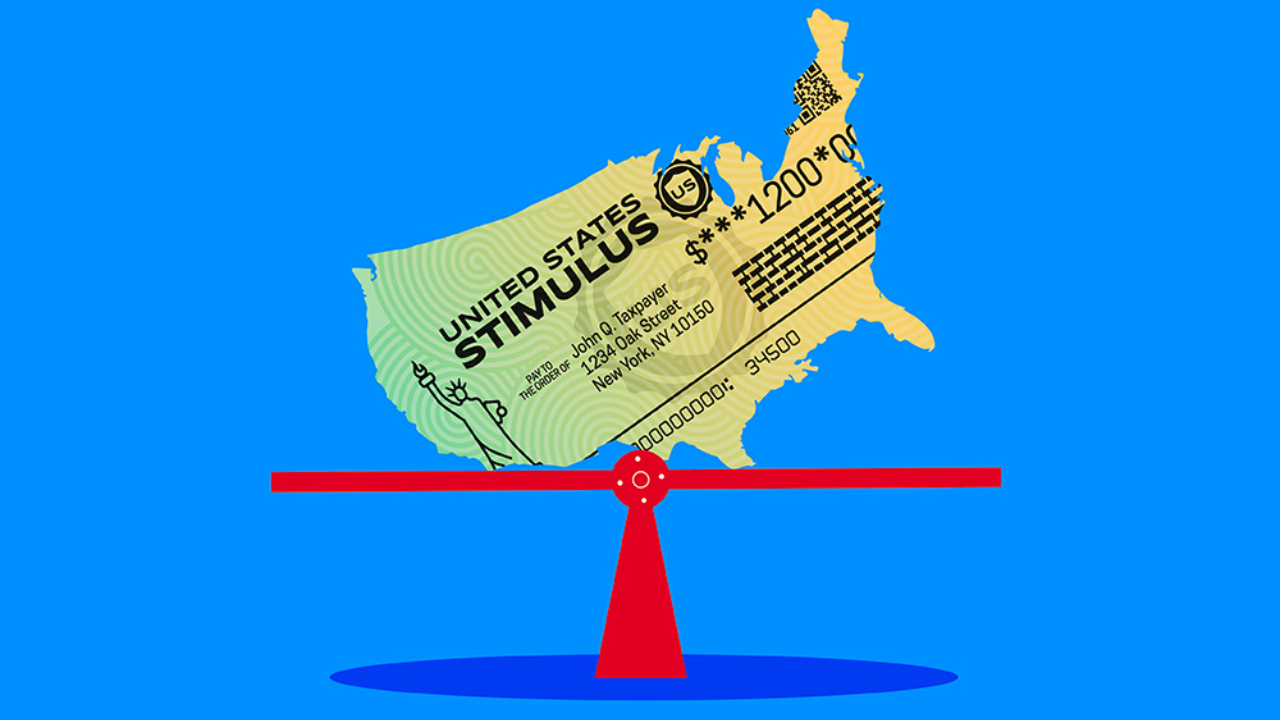
The integration of Artificial Intelligence (AI) and Big Data into economic planning is revolutionizing how governments and policymakers design strategies, forecast growth, and implement policies. By leveraging advanced analytics, machine learning, and massive datasets, authorities can make informed decisions that promote sustainable economic growth and address complex societal challenges.
Table of Contents
Policy Formulation Through AI and Big Data
AI and Big Data empower policymakers to create more precise and effective policies. Governments can:
- Analyze vast datasets to identify trends and patterns in the economy.
- Assess the impact of proposed regulations before implementation.
- Simulate policy outcomes using predictive models to minimize unintended consequences.
Data-driven policy formulation improves efficiency, reduces costs, and enhances accountability.
Enhancing Forecasting and Economic Growth Analysis
Traditional forecasting models often rely on historical data and assumptions. AI-driven models, combined with real-time Big Data, provide more accurate economic projections:
- Predict consumer demand and market fluctuations with higher precision.
- Identify emerging sectors and industries with high growth potential.
- Monitor inflation, unemployment, and GDP changes in near real-time.
Better forecasting helps governments and businesses plan investments and manage risks more effectively.
Optimizing Resource Allocation
AI algorithms analyze large datasets to determine the most efficient use of public resources:
- Identify areas that require increased investment or social services.
- Reduce wastage in public spending by targeting programs effectively.
- Enhance infrastructure planning and urban development through predictive analytics.
Effective resource allocation strengthens economic efficiency and ensures equitable growth.
Risk Management and Early Warning Systems
Big Data and AI support proactive risk management by detecting economic threats early:
- Monitor market volatility and financial crises before they escalate.
- Analyze social and economic indicators for recession or inflation risks.
- Use predictive maintenance models for critical infrastructure to avoid costly disruptions.
Early detection allows policymakers to implement mitigation measures before severe consequences occur.
Labor Market Analysis and Workforce Planning
AI and Big Data transform labor market analysis:
- Identify skills gaps and forecast demand for specific professions.
- Tailor workforce training programs to meet future employment needs.
- Analyze migration and demographic trends to plan local and national labor policies.
This ensures that education, training, and employment policies align with economic needs.
Public Engagement and Citizen Insights
By analyzing social media, surveys, and mobile data, governments gain insights into public preferences and sentiment:
- Measure public opinion on policy initiatives in real time.
- Predict social responses to economic reforms or new regulations.
- Design programs and campaigns that resonate with local communities.
Understanding citizen behavior enhances policy acceptance and effectiveness.
Challenges in Implementing AI and Big Data
Despite significant benefits, adopting AI and Big Data in economic planning faces challenges:
- Data Privacy: Protecting sensitive information while analyzing large datasets.
- Technical Expertise: Governments require skilled personnel to implement and interpret AI models.
- Cost of Implementation: Infrastructure, software, and training require substantial investment.
- Algorithmic Bias: AI models may produce skewed results if the data is not representative.
Addressing these challenges is essential to maximizing the benefits of AI and Big Data.
Lessons for Policymakers and Local Governments
Local and national governments can learn from AI-driven economic planning:
- Invest in data infrastructure and analytics capabilities.
- Promote transparency and accountability in AI decision-making.
- Collaborate with the private sector and academic institutions for expertise and innovation.
- Continuously update models with new data to maintain accuracy and relevance.
Adopting these strategies allows policymakers to make smarter, faster, and evidence-based decisions.
The Way Forward
AI and Big Data are transforming economic planning and policy-making, enabling governments to make data-driven decisions that enhance growth, improve efficiency, and manage risks. By adopting these technologies, policymakers can respond quickly to economic changes, allocate resources effectively, and engage citizens in informed, evidence-based governance. Communities that embrace these tools are better positioned for sustainable economic development and long-term prosperity.
Frequently Asked Questions
Q: How does AI improve economic forecasting?
A: AI analyzes large, real-time datasets to provide more accurate predictions.
Q: Can Big Data optimize government spending?
A: Yes, it identifies areas where resources are most needed, reducing wastage.
Q: Does AI help in labor market planning?
A: Yes, it forecasts skills gaps and informs workforce training programs.