Infrastructure investment forms the foundation of national development and progress. Developing nations often rely on infrastructure as the primary driver for economic transformation, industrial expansion, and social inclusion. Roads, ports, energy systems, and digital connectivity collectively determine how efficiently a country moves goods, delivers services, and supports industries. A well-planned infrastructure framework enables developing nations to attract foreign direct investment, create employment opportunities, and improve the overall quality of life for their citizens.
Table of Contents
Understanding Infrastructure Investment
Infrastructure investment refers to the allocation of financial, human, and technological resources toward building and maintaining physical systems essential for economic productivity. These include:
- Transportation networks such as roads, railways, and airports
- Energy production and distribution facilities
- Water and sanitation systems
- Telecommunication and digital infrastructure
- Educational and healthcare facilities
Each component contributes uniquely to improving a nation’s productivity, trade competitiveness, and social equity.
Types of Infrastructure Investment in Developing Nations
| Type of Infrastructure | Key Focus Areas | Economic Impact |
|---|---|---|
| Transportation Infrastructure | Roads, railways, ports, airports | Reduces logistics costs, connects markets, and enhances trade |
| Energy Infrastructure | Power plants, renewable energy, transmission grids | Promotes industrialization and reliable energy access |
| Water and Sanitation | Dams, pipelines, wastewater systems | Improves public health and agricultural output |
| Digital Infrastructure | Broadband networks, data centers | Enhances innovation, the digital economy, and access |
| Social Infrastructure | Schools, hospitals, housing projects | Develops human capital and social welfare |
Role of Infrastructure in Economic Transformation
Infrastructure serves as the backbone of economic transformation in developing economies. Several factors explain this relationship:
- Improved Market Accessibility: Efficient roads and ports enable producers to reach wider markets, encouraging exports and trade diversification.
- Enhanced Productivity: Reliable electricity and water supply reduce downtime for industries and support agricultural mechanization.
- Job Creation: Construction and maintenance projects generate both direct and indirect employment opportunities.
- Increased Investment Confidence: Foreign investors view well-developed infrastructure as a sign of stability and growth potential.
- Urbanization Support: Infrastructure development helps manage urban growth by creating planned cities and industrial clusters.
Infrastructure and GDP Growth
Economic data from multiple developing regions show a strong correlation between infrastructure spending and GDP growth. Countries investing at least 6–8% of GDP in infrastructure often experience:
- Higher annual economic growth rates
- Expansion of industrial output
- Improved export performance
- Better human development indicators
Key Sectors Benefiting from Infrastructure Development
| Sector | Infrastructure Linkage | Resulting Benefits |
|---|---|---|
| Agriculture | Irrigation, rural roads, storage facilities | Reduces post-harvest losses and boosts farmer incomes |
| Manufacturing | Industrial parks, power supply | Increases productivity and global competitiveness |
| Tourism | Transport, hospitality, digital systems | Attracts visitors and foreign exchange |
| Education and Health | Schools, hospitals, and digital connectivity | Strengthens human capital and workforce productivity |
| Trade and Commerce | Ports, logistics centers, and highways | Facilitates exports and imports efficiently |
Infrastructure Investment Models in Developing Nations
Developing countries use different models to finance and manage infrastructure projects, including:
- Public Sector Investment: Government-led projects funded by national budgets or development banks.
- Public–Private Partnerships (PPPs): Collaborative projects between governments and private investors sharing risks and returns.
- Foreign Direct Investment (FDI): Infrastructure built by multinational corporations in exchange for long-term concessions.
- Development Aid and Grants: International agencies such as the World Bank or Asian Development Bank provide funding and expertise.
- Sovereign Bonds: Governments issue infrastructure bonds to raise capital from domestic and international markets.
Challenges in Infrastructure Investment
While infrastructure is crucial, developing nations face numerous barriers:
- Limited Financial Resources: Budget constraints and high debt levels restrict large-scale investments.
- Corruption and Mismanagement: Poor governance can lead to inefficiencies and project delays.
- Technological Gaps: Dependence on outdated technology limits infrastructure performance.
- Environmental Degradation: Poor planning may lead to ecological imbalances and displacement.
- Policy Instability: Frequent policy changes discourage private investors and delay execution.
Strategies for Effective Infrastructure Development
| Strategy | Implementation Approach | Expected Outcome |
|---|---|---|
| Integrated Planning | Align national development policies with regional priorities | Balanced and inclusive growth |
| Capacity Building | Train engineers, planners, and project managers | Improved project execution |
| Sustainable Financing | Use PPPs and green bonds | Long-term financial stability |
| Transparency and Accountability | Strengthen auditing and monitoring systems | Reduced corruption and waste |
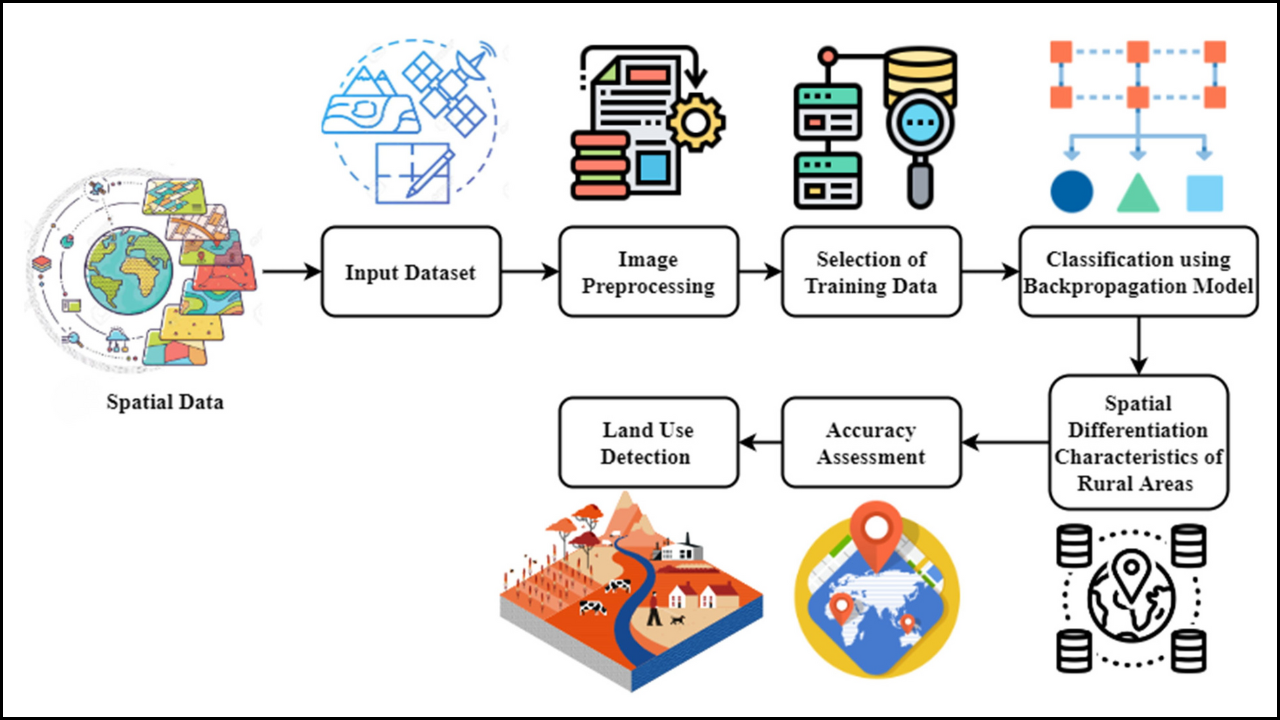
| Technological Innovation | Apply digital tools like GIS and AI in planning | Efficient resource utilization |
Case Studies of Successful Infrastructure Development
- China: Massive infrastructure investments in transport and energy have turned China into a global manufacturing hub, raising millions out of poverty.
- India: Initiatives like Bharatmala and Smart Cities Mission enhance connectivity and urban sustainability.
- Kenya: The construction of the Standard Gauge Railway improved trade with neighboring nations and cut freight costs.
- Vietnam: Continuous investment in industrial zones and digital infrastructure attracted foreign investors and boosted exports.
Social Impact of Infrastructure Investment
Infrastructure investment extends beyond economics to influence social development.
- Improved Education: Schools in remote regions become accessible through better roads and internet connectivity.
- Healthcare Access: Hospitals and clinics reach rural populations, improving life expectancy.
- Gender Equality: Infrastructure in transport and sanitation enhances women’s mobility and safety.
- Poverty Reduction: Infrastructure creates employment, boosts local businesses, and raises household incomes.
Environmental Sustainability and Green Infrastructure
Modern infrastructure in developing nations increasingly incorporates sustainable practices.
- Renewable Energy Integration: Solar and wind projects replace fossil fuel dependency.
- Eco-Friendly Transport: Electric buses and railway systems reduce carbon emissions.
- Water Conservation: Advanced irrigation and wastewater management conserve natural resources.
- Climate-Resilient Infrastructure: Adaptation designs protect communities from floods, droughts, and climate risks.
Future Outlook for Infrastructure Investment
The next decade is expected to witness transformative infrastructure trends in developing economies.
- Digital Transformation: Expansion of broadband and data centers to support e-governance and fintech.
- Smart Cities: Technology-driven urban centers promoting efficiency and sustainability.
- Regional Connectivity: Cross-border transport corridors are strengthening trade alliances.
- Green Finance: Increased adoption of carbon-neutral infrastructure investments.
Summing Up
Infrastructure investment stands as the cornerstone of economic advancement in developing nations. Strategic spending in transport, energy, water, and digital systems drives industrialization, fosters innovation, and uplifts living standards. The combined efforts of governments, private investors, and global organizations ensure that infrastructure becomes not just a growth driver but a tool for social progress and sustainability. A well-designed infrastructure ecosystem ultimately enables developing countries to achieve balanced, inclusive, and long-term economic prosperity.