Academic research in economics gains strength from scholars who combine rigorous analytical skills with an awareness of global challenges. Jun Wong, a third-year PhD student at the University of Chicago’s Department of Economics, exemplifies this blend. Her academic journey reflects a dedication to understanding how economic growth interacts with environmental and spatial factors. With a background rooted in prestigious institutions such as UC Berkeley and NYU Stern School of Business, she brings both theoretical depth and applied research experience. Her focus on development, environmental, and spatial economics positions her among emerging economists contributing to policy-relevant and data-driven insights for a sustainable future.
Academic Background
Undergraduate Education:
Completed a Bachelor’s in Economics from the University of California, Berkeley, a globally recognized institution for economics and environmental studies.
Developed a strong foundation in microeconomic theory, econometrics, and policy evaluation, enabling early engagement with applied research.
Research Assistant Roles:
Worked at NYU Stern School of Business, assisting in studies focusing on business strategy, environmental policy, and market behavior.
Contributed to projects at UC Berkeley’s Environmental Science, Policy, and Management Department, examining intersections between ecological systems and economic decision-making.
Current PhD Program:
Pursuing a PhD in Economics at the University of Chicago, known for its rigorous approach to empirical and theoretical research.
Engaged in independent and collaborative research centered on development economics, environmental sustainability, and spatial data analysis.
Research Interests and Focus Areas
Development Economics
Focuses on economic growth patterns, poverty reduction, and policy impacts in developing nations.
Studies the influence of infrastructure investment, urbanization, and education systems on long-term development.
Environmental Economics
Investigates the economic implications of climate change, resource management, and carbon policy.
Analyzes how market incentives and government interventions can encourage sustainable practices.
Spatial Economics
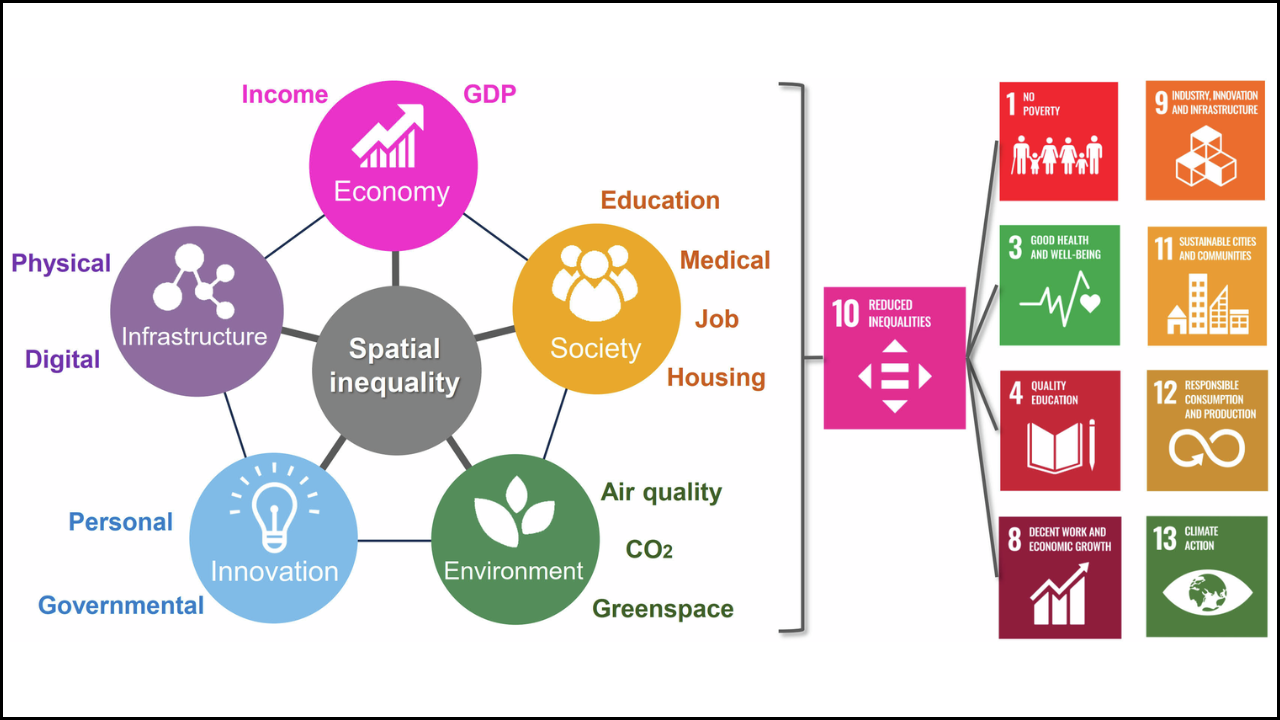
Explores how geography, spatial distribution, and location-based externalities shape economic outcomes.
Uses spatial modeling techniques to map regional disparities and resource distribution efficiency.
Key Areas of Contribution
Area
Description of Jun Wong’s Contribution
Development Policy Analysis
Applies econometric models to evaluate the effectiveness of poverty reduction and social welfare programs.
Sustainability Research
Integrates environmental data with economic indicators to understand trade-offs in green development.
Urban and Spatial Studies
Utilizes spatial mapping tools to assess the impact of geography on labor distribution and productivity.
Interdisciplinary Collaboration
Bridges economics with environmental science and management to produce holistic research frameworks.
Methodological Expertise
Quantitative Research
Employs advanced econometric models and data-driven simulations to derive robust conclusions.
Uses large datasets for cross-country comparisons and spatial regressions.
Policy-Oriented Approach
Aligns academic research with real-world policy issues, especially in developing economies.
Designs models to assess policy efficacy and environmental impacts of industrial reforms.
Spatial Data Analysis
Incorporates GIS-based data and remote sensing for mapping regional inequalities.
Analyzes spatial clustering to understand urban migration patterns and economic concentration zones.
Academic and Professional Experience
Institution
Role
Focus Area
Key Skills Gained
UC Berkeley
Undergraduate Student
Economics
Quantitative analysis, microeconomic theory, and environmental policy basics
NYU Stern School of Business
Research Assistant
Business Strategy & Sustainability
Data modeling, policy evaluation, and academic writing
UC Berkeley – Environmental Science, Policy, and Management
Econometric modeling, spatial data analytics, and policy design
Interdisciplinary Approach
Integration of Disciplines: Jun Wong’s research does not stay confined within traditional economics. By linking environmental science, spatial geography, and policy studies, her work promotes interdisciplinary solutions to modern global challenges.
Collaborative Mindset: Collaboration with environmental scientists, policymakers, and business researchers ensures that her studies address both theoretical rigor and applied relevance.
Global Perspective: Academic training in the United States’ top research universities provides her with a cross-cultural and international understanding of economic systems and environmental governance.
Impact and Future Directions
Policy Implications:
Aims to influence economic policies that balance growth with environmental protection.
Seeks to contribute to sustainable frameworks adaptable to urban and rural economies.
Academic Advancement:
Plans to publish peer-reviewed papers focusing on spatial dynamics in economic development.
Intends to mentor emerging scholars interested in interdisciplinary research.
Research Innovation:
Focuses on the development of new econometric models integrating environmental and spatial data.
Promotes evidence-based economic governance to achieve equitable sustainability.
Notable Strengths
Strength
Description
Analytical Rigor
Demonstrates precision in quantitative analysis and econometric design.
Environmental Awareness
Understands ecological challenges and integrates them into economic frameworks.
Data Literacy
Skilled in managing large datasets and interpreting statistical outcomes.
Communication Skills
Effectively translates complex research into accessible, policy-relevant insights.
Interdisciplinary Perspective
Connects diverse academic fields to offer comprehensive solutions.
Research Philosophy
Evidence-Centered Thinking: Belief that sound economic policies must be grounded in empirical data and measurable outcomes.
Sustainability Orientation: Commitment to shaping an economy that coexists with environmental balance, especially in developing contexts.
Human-Centered Development: Advocacy for growth models that prioritize equity, education, and community well-being.
Academic Influence and Mentorship
Influence of Prior Institutions:
UC Berkeley nurtured her foundation in analytical and ethical research.
NYU Stern exposed her to corporate and environmental dynamics influencing market structures.
Role at the University of Chicago: Current doctoral research deepens her understanding of spatial interlinkages in development economics and enhances her ability to guide future scholars.
Mentorship Potential: With experience in research coordination and data interpretation, she holds the potential to become a mentor for young economists pursuing cross-disciplinary work.
Summing Up
Academic excellence and interdisciplinary thinking define Jun Wong’s scholarly path. Her journey from UC Berkeley to the University of Chicago reflects a consistent pursuit of knowledge linking economic development with environmental sustainability. With strong research foundations and a forward-looking mindset, she is poised to make substantial contributions to the evolving fields of development, environmental, and spatial economics. Her analytical depth and commitment to impactful policy design underscore her role as a rising economist dedicated to shaping a more equitable and sustainable global economy.
Biodiversity conservation is essential for maintaining ecosystem balance, ensuring food security, and supporting sustainable development. However, many nations face challenges ...
Urban agglomeration plays a central role in shaping modern economic productivity. Cities bring together people, businesses, and institutions in proximity, ...
Technology adoption plays a critical role in transforming developing regions by improving productivity, reducing poverty, and promoting sustainable growth. A ...
Women’s economic empowerment extends far beyond earning an income. Economic independence represents only one aspect of empowerment; true progress includes ...
Economic development does not occur evenly across space. Some regions prosper with advanced industries and modern infrastructure, while others remain ...
Economic development thrives on connection. Transportation networks form the backbone of trade, labor mobility, and regional cooperation. Efficient transport systems ...