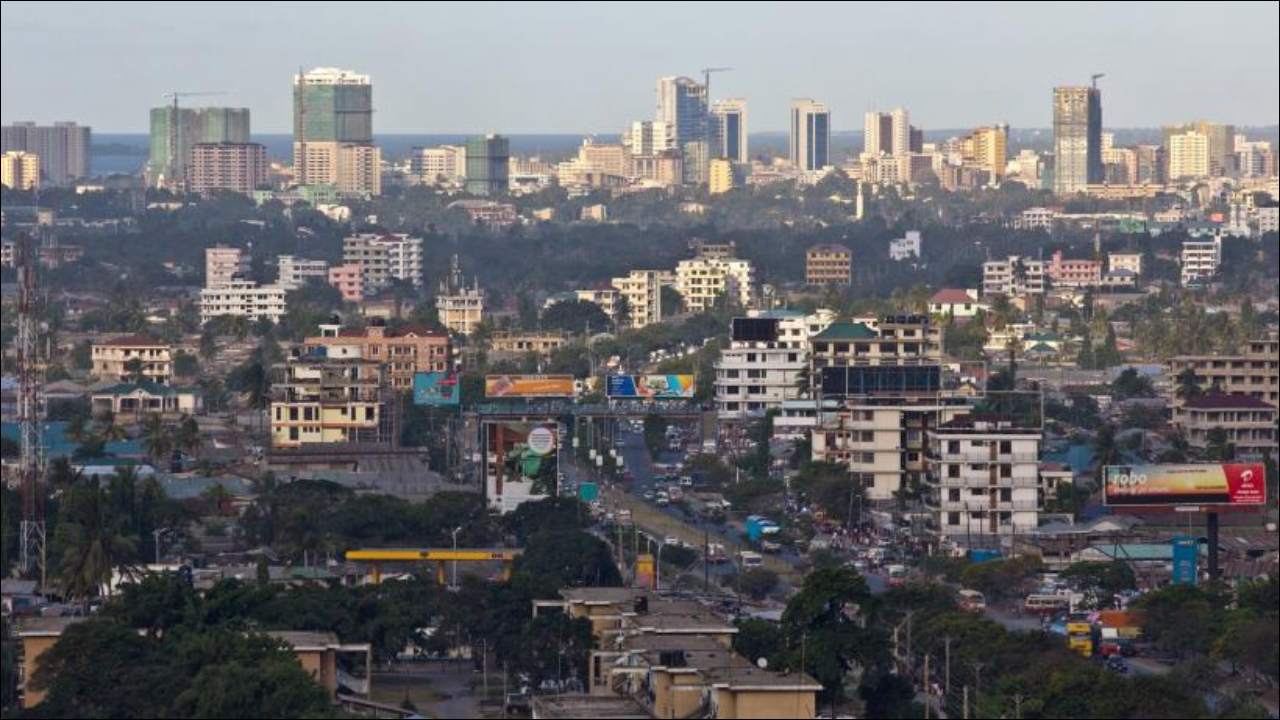
Economic transformation represents the shift of an economy from low productivity and traditional sectors toward modern, diversified, and high-value industries. While technology, infrastructure, and human capital play visible roles in this process, institutions form the foundation that determines whether such transformation succeeds or fails. Institutions—formal and informal rules governing economic behavior—shape incentives, ensure accountability, and facilitate efficient resource use. Their strength and inclusivity often explain why some nations thrive while others struggle to develop.
Table of Contents
Institutions in Economics
- Institutions refer to the frameworks of laws, norms, and organizations that guide how economic actors interact.
- They include formal institutions (constitutions, legal systems, and regulatory bodies) and informal institutions (customs, traditions, and social trust).
- Strong institutions promote stability, innovation, and growth, while weak institutions allow corruption, inefficiency, and inequality.
- Economic transformation depends on institutions that protect property rights, enforce contracts, and promote fair competition.
Institutional Economics Perspective
- Institutional economics emphasizes that growth cannot be sustained without effective governance structures.
- Economists like Douglass North argued that institutions reduce uncertainty by creating predictable frameworks for exchange.
- Good institutions lower transaction costs, encourage investment, and support entrepreneurship.
- Institutional change often precedes economic diversification and industrialization.
Types of Institutions Driving Economic Change
- Political Institutions: Shape power distribution, stability, and policy direction.
- Economic Institutions: Govern markets, property rights, and financial systems.
- Social Institutions: Influence trust, cooperation, and human development outcomes.
- The interaction among these determines the inclusiveness and resilience of an economy.
Classification of Institutions and Their Economic Roles
| Type of Institution | Core Function | Economic Impact |
|---|---|---|
| Political Institutions | Governance, law enforcement | Policy stability, investor confidence |
| Economic Institutions | Market regulation, property protection | Productivity and innovation |
| Financial Institutions | Resource mobilization and credit allocation | Capital formation and investment |
| Educational Institutions | Skill development and research | Human capital growth |
| Social Institutions | Norms and collective behavior | Social cohesion and trust |
Property Rights and Economic Incentives
- Secure property rights encourage investment by protecting individuals from arbitrary expropriation.
- Farmers are more likely to improve productivity when they own their land.
- Entrepreneurs invest in innovation when intellectual property is safeguarded.
- Weak property systems discourage entrepreneurship and lead to capital flight.
- Historical evidence from East Asia shows that land reforms and institutional protection of ownership supported industrial growth.
Rule of Law and Contract Enforcement
- A transparent legal system underpins economic reliability.
- Investors rely on contract enforcement to ensure fair transactions.
- Efficient judiciary systems minimize business risks and corruption.
- Countries with predictable legal processes attract more domestic and foreign investment.
- The rule of law also supports consumer protection and fair labor practices.
Governance and Policy Implementation
- Governance quality determines how effectively policies translate into development outcomes.
- Accountable governments ensure efficient public spending and equitable growth.
- Decentralization allows local institutions to tailor solutions to regional needs.
- Weak governance leads to misallocation of resources and policy uncertainty.
- Transparency and public participation strengthen trust and institutional legitimacy.
Financial Institutions and Economic Transformation
- Financial systems mobilize savings and channel them toward productive investments.
- Strong banking sectors and capital markets provide businesses with access to credit.
- Microfinance institutions support entrepreneurship among small and medium enterprises.
- Financial inclusion enhances economic participation across income groups.
- Poorly regulated systems, however, can create instability and speculative bubbles.
Educational and Research Institutions
- Education systems shape the quality of human capital.
- Universities and technical institutes generate innovation through research and training.
- Collaboration between academia and industry fosters technological adoption.
- Institutional investment in education supports labor mobility and skill development.
- Lack of educational reform limits productivity growth and innovation potential.
Institutional Reforms and Industrialization
- Institutional reform is crucial during the transition from agrarian to industrial economies.
- Reforms simplify business registration, reduce red tape, and attract entrepreneurs.
- Regulatory institutions that support fair competition prevent monopolies.
- Industrial policies aligned with institutional frameworks drive manufacturing expansion.
- Examples from South Korea and Singapore show how institutional discipline accelerated transformation.
Corruption, Rent-Seeking, and Institutional Failure
- Corruption weakens economic institutions by diverting public resources for private gain.
- Rent-seeking behavior reduces efficiency and innovation.
- Institutional capture by elites prevents equitable policy outcomes.
- Anti-corruption bodies, free media, and civic participation help restore institutional integrity.
- Effective checks and balances are vital for preventing misuse of authority.
Institutions and Innovation Systems
- Institutions influence how societies create and adopt new technologies.
- Intellectual property protection ensures that innovators benefit from their work.
- Research funding agencies and innovation councils encourage knowledge-based industries.
- Collaborative institutions linking universities, government, and business enhance competitiveness.
- Innovation ecosystems thrive when supported by strong institutional networks.
International Institutions and Global Integration
- Global institutions such as the World Trade Organization (WTO) and International Monetary Fund (IMF) influence economic reforms.
- Participation in international frameworks promotes transparency and policy discipline.
- Regional development banks and trade agreements support infrastructure and integration projects.
- Institutional harmonization facilitates cross-border trade and investment flows.
- However, dependency on external institutions can limit domestic policy autonomy.
Domestic vs. International Institutional Roles
| Institutional Level | Key Actors | Main Contribution |
|---|---|---|
| Domestic Institutions | Government, courts, regulators | Stability, rule enforcement |
| Regional Institutions | Trade blocs, development banks | Market integration, cooperation |
| Global Institutions | WTO, IMF, World Bank | Financial support, trade governance |
| Civil Institutions | NGOs, media, labor unions | Accountability and inclusivity |
Social Trust and Informal Institutions
- Informal institutions, such as community networks and social norms, support cooperation and conflict resolution.
- High social trust reduces transaction costs and encourages collective action.
- Informal institutions are particularly influential in developing economies with weak formal systems.
- However, excessive reliance on informal systems may hinder modernization if not integrated with formal governance.
Institutional Adaptability and Resilience
- Institutions must evolve to handle technological, demographic, and environmental changes.
- Adaptive institutions encourage experimentation and learning from policy outcomes.
- Rigid systems fail to respond to crises such as pandemics or financial shocks.
- Countries with resilient institutions recover faster from economic disruptions.
- Institutional adaptability ensures long-term sustainability and competitiveness.
The Role of Leadership in Institutional Transformation
- Leadership shapes institutional culture and reform implementation.
- Visionary leaders strengthen institutions by prioritizing transparency, meritocracy, and innovation.
- Institutional transformation requires political will and cross-sector collaboration.
- Examples such as Botswana’s governance and Estonia’s digital institutions highlight leadership’s role in reform success.
Measurement of Institutional Quality
- Economists use indicators like the Worldwide Governance Index and Corruption Perceptions Index.
- Metrics evaluate the rule of law, regulatory efficiency, and government effectiveness.
- Quantitative measures help compare institutional performance across countries.
- Policy makers use these metrics to identify weaknesses and track reform progress.
The Bottom Line
Institutions serve as the invisible architecture that underpins economic transformation. They create the trust, stability, and incentives necessary for innovation, investment, and inclusion. Strong property rights, transparent governance, effective financial systems, and robust education frameworks are all products of sound institutional design. The experience of successful economies demonstrates that institutional reform—not just capital or technology—drives sustainable transformation. Building and maintaining resilient institutions remains the cornerstone of long-term economic progress.