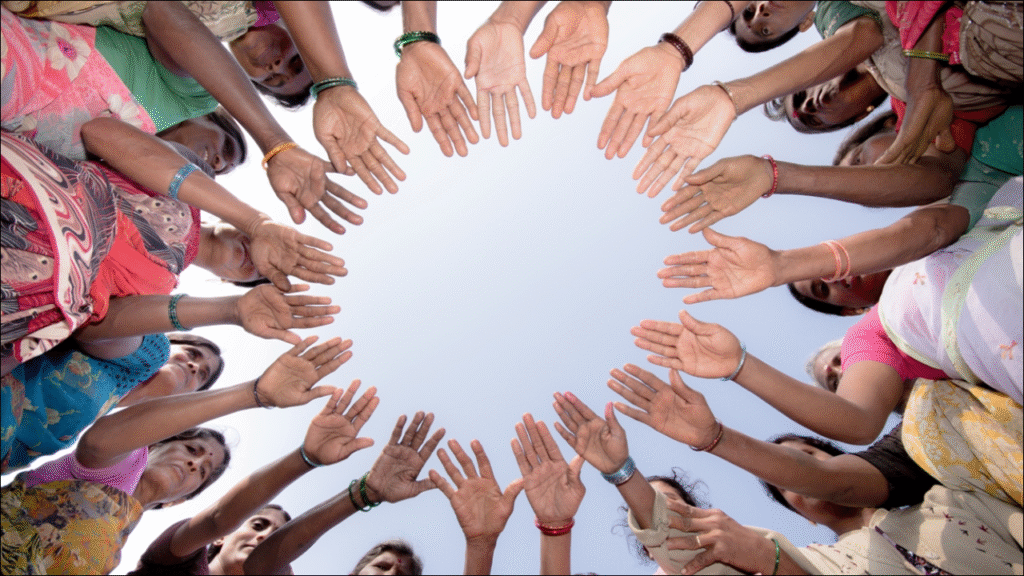
Microfinance serves as a transformative tool for driving economic inclusion and entrepreneurship in rural areas. In many developing nations, access to traditional banking remains limited due to inadequate infrastructure, lack of collateral, and geographical constraints. Microfinance bridges this gap by providing small loans, savings facilities, and insurance services to individuals who are often excluded from formal financial systems. Rural entrepreneurs, especially women and small-scale producers, gain the opportunity to start or expand businesses, generate income, and contribute to local development.
Table of Contents
Understanding Microfinance
Microfinance refers to the provision of financial services to low-income individuals or groups who lack access to conventional banking. It includes:
- Microloans for business or personal development
- Micro-savings accounts that encourage financial discipline
- Micro-insurance to protect against risks such as illness or crop failure
- Training and capacity-building programs to enhance financial literacy
Each of these services supports economic empowerment by enabling rural entrepreneurs to manage risks, invest in productivity, and build sustainable livelihoods.
Key Objectives of Microfinance
- Promoting Entrepreneurship: Providing startup capital for small businesses in villages and semi-urban areas.
- Encouraging Self-Sufficiency: Reducing dependence on informal moneylenders charging high interest rates.
- Enhancing Gender Equality: Empowering women to engage in income-generating activities.
- Fostering Community Development: Strengthening local economies through collective growth.
- Improving Financial Literacy: Educating rural populations on budgeting and savings practices.
Types of Microfinance Institutions (MFIs)
| Type of Institution | Examples | Key Function |
|---|---|---|
| Microfinance Banks | Grameen Bank, Bandhan Bank | Offer microloans, deposits, and micro-insurance services |
| Non-Governmental Organizations (NGOs) | SEWA, BRAC | Provide credit, training, and empowerment programs |
| Cooperative Societies | Rural credit cooperatives | Support member-based savings and loan schemes |
| Self-Help Groups (SHGs) | Women’s collectives in villages | Promote mutual lending and group entrepreneurship |
| Credit Unions | Community-based financial groups | Offer affordable credit and savings plans |
Microfinance and Rural Entrepreneurship
Microfinance acts as a catalyst for rural entrepreneurship by offering access to credit and training. Its influence is visible in several ways:
- Startup Creation: Individuals use small loans to establish ventures such as tailoring units, dairy farms, and small retail shops.
- Business Expansion: Entrepreneurs reinvest profits to scale operations, purchase equipment, or hire workers.
- Innovation Promotion: Access to funds encourages experimentation with new products and services.
- Skill Development: Training initiatives linked with microfinance enhance business management and marketing skills.
- Economic Inclusion: Marginalized groups, especially women and lower-income communities, gain economic independence.
Impact of Microfinance on Women Entrepreneurs
| Aspect | Before Microfinance Access | After Microfinance Access |
|---|---|---|
| Financial Autonomy | Limited access to credit | Independent financial decision-making |
| Business Participation | Minimal or no involvement | Ownership of small enterprises |
| Household Income | Dependent on male earnings | Increased contribution to family income |
| Social Status | Restricted roles | Enhanced respect and empowerment |
| Skill Development | Limited exposure | Access to training and mentoring |
Microfinance organizations like Grameen Bank in Bangladesh and Self-Employed Women’s Association (SEWA) in India have demonstrated how small loans can create significant social and economic transformation among rural women.
Advantages of Microfinance for Rural Entrepreneurs
- Accessible Credit: No requirement for high-value collateral.
- Flexible Repayment: Loans structured according to business cash flow.
- Community Support: Peer pressure within groups ensures discipline and accountability.
- Encouragement of Savings: Entrepreneurs develop a habit of saving, leading to financial stability.
- Job Creation: Small enterprises employ local workers.
- Rural Development: Increased business activity boosts local economies.
Challenges in Microfinance Implementation
Despite its positive impact, microfinance faces several obstacles:
- High Interest Rates: Some institutions charge relatively high rates to cover operational costs.
- Over-Indebtedness: Multiple loans from different sources can burden borrowers.
- Limited Outreach: Remote and conflict-prone regions often remain underserved.
- Lack of Business Training: Some entrepreneurs lack the skills to utilize loans effectively.
- Regulatory Issues: Inconsistent government policies and weak oversight affect the sustainability of microfinance programs.
Strategies to Strengthen Microfinance Effectiveness
| Strategy | Implementation Approach | Expected Outcome |
|---|---|---|
| Financial Literacy Training | Workshops and awareness programs for borrowers | Better loan management and savings habits |
| Technology Integration | Mobile banking and digital wallets | Easier transactions and wider access |
| Interest Rate Regulation | Policy reforms to cap excessive rates | Affordable credit for rural borrowers |
| Capacity Building | Training microfinance staff and entrepreneurs | Enhanced efficiency and service delivery |
| Public–Private Collaboration | Partnerships between NGOs, banks, and governments | Broader outreach and shared resources |
Role of Technology in Microfinance Expansion
Digital innovation has transformed microfinance operations, making them more efficient and accessible.
- Mobile Money Platforms: Services like M-Pesa in Kenya allow easy transactions without physical banks.
- Digital Lending Apps: Automated systems evaluate creditworthiness using alternative data.
- Blockchain and Smart Contracts: Transparent systems reduce fraud and ensure accountability.
- E-Learning Modules: Online financial education helps rural entrepreneurs improve business planning skills.
Case Studies Highlighting Success
- Grameen Bank (Bangladesh): Introduced group lending models that empowered women and improved rural incomes.
- Bandhan Bank (India): Transitioned from an NGO to a full-fledged bank serving millions of micro-entrepreneurs.
- Kiva (Global): Crowdfunding platform connecting international lenders with small-scale borrowers.
- BRAC (Bangladesh): Combined microfinance with health, education, and livelihood programs for holistic development.
Economic and Social Impact of Microfinance
- Income Growth: Borrowers increase their business income and household purchasing power.
- Poverty Reduction: Access to credit reduces dependency on informal moneylenders.
- Employment Generation: Small enterprises create job opportunities within rural communities.
- Social Cohesion: Group-based lending fosters trust and cooperation among members.
- Human Development: Better education and healthcare become attainable through improved financial capacity.
Future Outlook for Microfinance
The future of microfinance lies in innovation and inclusion.
- Digital Transformation: Fintech integration will improve transparency and scalability.
- Green Microfinance: Funding eco-friendly enterprises will promote sustainable growth.
- Youth Entrepreneurship: Special programs will target young innovators in rural economies.
- Policy Support: Governments will enhance regulatory frameworks to protect borrowers and strengthen institutions.
- Global Collaboration: Partnerships between development agencies and local MFIs will increase resource sharing.
Final Thoughts
Microfinance stands as a vital pillar in empowering rural entrepreneurs by granting them access to credit, knowledge, and market opportunities. The model transforms communities by nurturing self-reliance, improving living standards, and promoting gender equality. Despite challenges, innovations in digital finance and inclusive policies continue to strengthen their reach and impact. A sustainable microfinance ecosystem ensures that rural entrepreneurs not only survive but thrive as key contributors to national economic growth and social progress.