Climate change represents one of the most significant economic challenges of the 21st century. Rising global temperatures, extreme weather events, and shifting environmental patterns are already affecting productivity, livelihoods, and global markets. Understanding the economic cost of climate change requires analyzing how different sectors—agriculture, energy, health, infrastructure, and finance—are impacted. The true cost extends beyond physical damages to include lost productivity, disrupted supply chains, and long-term risks to global stability.
Table of Contents
Concept of Economic Cost of Climate Change
- The economic cost of climate change refers to the total financial losses and adaptation expenditures resulting from environmental changes.
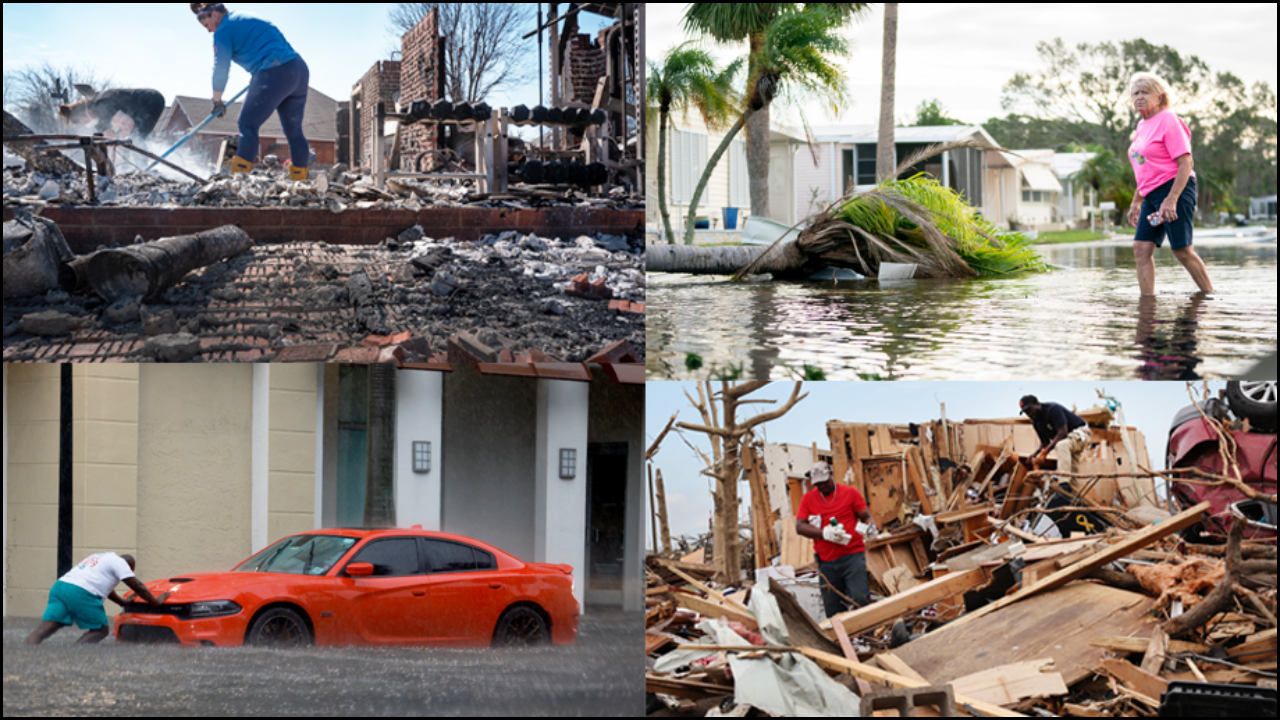
- These costs include both direct losses (such as property damage from floods) and indirect losses (such as reduced crop yields or lower labor productivity).
- Climate change introduces uncertainty into markets, increasing insurance premiums, investment risks, and government spending.
- Both developed and developing nations face these costs, though the burden is heavier on poorer economies with limited adaptive capacity.
Key Economic Channels of Climate Impact
- Physical Damages: Destruction of infrastructure, homes, and assets due to extreme events.
- Productivity Loss: Reduced efficiency in agriculture and labor-intensive industries due to heat stress.
- Health Expenditures: Rising disease burdens increase healthcare costs.
- Trade and Supply Disruptions: Climate events interrupt global value chains and logistics.
- Migration and Conflict Costs: Climate-induced displacement leads to social and economic instability.
Agriculture and Food Security
- Agriculture is highly climate-sensitive and among the first sectors to experience economic losses.
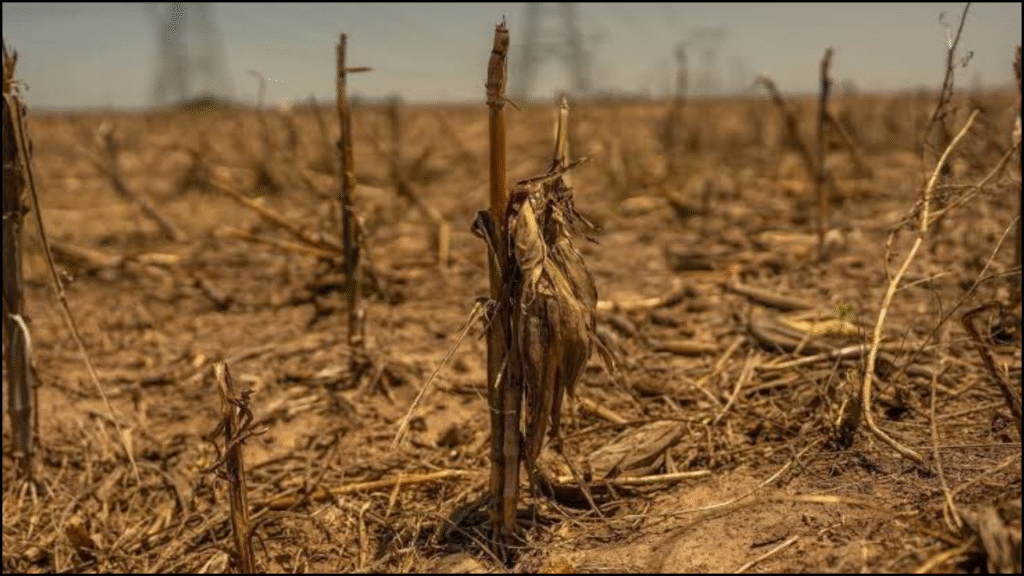
- Rising temperatures, erratic rainfall, and frequent droughts reduce crop yields and livestock productivity.
- Food prices rise as supply becomes unstable, affecting both producers and consumers.
- Developing economies reliant on agriculture face sharp income declines and food insecurity.
- Investment in climate-resilient crops, irrigation, and technology becomes essential.
Climate Change Impacts on Agriculture
| Impact Area | Economic Effect | Examples |
|---|---|---|
| Crop Yields | Lower production and income | Wheat and rice yield decline in South Asia |
| Livestock | Reduced productivity due to heat stress | Dairy output decline in warm regions |
| Fisheries | Disrupted aquatic ecosystems | Coral bleaching and reduced fish stocks |
| Food Prices | Inflation and supply volatility | Global price surges after droughts |
Energy Sector Implications
- Climate change affects both energy demand and supply.
- Hotter temperatures increase electricity use for cooling, straining grids and raising costs.
- Water scarcity reduces hydropower output and cooling capacity for thermal plants.
- Fossil fuel infrastructure faces damage from storms and sea-level rise.
- Transitioning to renewable energy mitigates emissions but requires heavy upfront investments.
Infrastructure and Urban Systems
- Urban areas face growing vulnerability to flooding, sea-level rise, and heatwaves.
- Damaged roads, ports, and power networks disrupt economic activity and increase maintenance costs.
- Cities in coastal and low-lying areas must invest in climate-resilient designs and drainage systems.
- The World Bank estimates that climate-related infrastructure damages could cost cities over $100 billion annually by mid-century.
- Failure to adapt could double these losses due to cascading effects on housing and transport.
Health and Labor Productivity
- Rising temperatures directly affect human health and working conditions.
- Increased heat exposure reduces outdoor labor productivity, especially in construction and agriculture.
- Vector-borne diseases such as malaria and dengue spread to new regions, increasing healthcare costs.
- Malnutrition linked to declining food quality compounds health challenges.
- The economic burden includes lost working hours, medical expenses, and reduced life expectancy.
Water Resources and Economic Stability
- Water scarcity affects agriculture, energy production, and industry.
- Competing demands between sectors cause economic conflicts and stress local governance.
- Droughts lower hydroelectric output and increase dependence on costly fossil fuels.
- Regions like the Middle East and parts of Africa face heightened risks of economic instability due to water shortages.
Manufacturing and Supply Chains
- Extreme weather disrupts supply chains by damaging ports, roads, and factories.
- Flooding and storms cause delays, increased costs, and production losses.
- Multinational firms face risks to global operations as supplier regions experience disasters.
- Companies increasingly factor climate risk into production location and logistics planning.
Climate Risks in Industrial Sectors
| Sector | Primary Risk | Economic Consequence |
|---|---|---|
| Manufacturing | Supply chain disruption | Loss of production and revenue |
| Transport | Infrastructure damage | Increased logistics costs |
| Mining | Extreme weather and water scarcity | Reduced output and higher insurance costs |
| Tourism | Environmental degradation | Decline in tourist arrivals and income |
Financial Markets and Insurance
- Climate-related disasters increase insurance claims, straining the financial sector.
- Insurers raise premiums or withdraw from high-risk regions, leaving communities vulnerable.
- Investors face growing climate risk exposure through stranded assets in fossil fuel industries.
- Central banks are developing climate stress tests to evaluate systemic financial risks.
- Green finance and ESG (Environmental, Social, and Governance) investments are growing in response.
Trade and International Relations
- Climate change influences trade through agricultural productivity and shipping conditions.
- Melting Arctic routes open new trade corridors but pose geopolitical challenges.
- Developing nations face trade disadvantages due to lower adaptive capacity.
- Climate-related migration and resource scarcity may intensify cross-border tensions.
The Cost of Inaction vs. Adaptation
- Economists estimate that inaction could reduce global GDP by up to 18% by 2050 under severe warming scenarios.
- Investing in adaptation—such as resilient infrastructure, renewable energy, and early warning systems—yields long-term savings.
- Every dollar invested in climate adaptation can save up to four dollars in future damage costs.
- The true cost of climate change, therefore, includes the opportunity cost of delayed action.
Cost Comparison – Inaction vs. Adaptation
| Category | Without Action | With Adaptation |
|---|---|---|
| Infrastructure | $100B annual losses by 2050 | $30B saved through resilience investment |
| Health Costs | Rising disease burden | Lower hospital and mortality rates |
| Agriculture | Yield decline up to 25% | Stable production with adaptive crops |
| GDP Loss | Up to 18% by 2050 | Contained below 5% with proactive measures |
Regional Impacts and Inequality
- Developing countries bear the heaviest burden due to dependence on climate-sensitive sectors.
- Small island nations face existential risks from sea-level rise.
- Wealthy nations experience losses through insurance and global trade disruptions.
- Climate inequality widens global gaps, reinforcing poverty and migration pressures.
Role of Technology and Innovation
- Technological advancements help mitigate and adapt to climate impacts.
- Smart grids, renewable energy systems, and carbon capture technologies reduce emissions.
- Climate data analytics improve disaster forecasting and resource planning.
- Investment in green technology creates new economic opportunities and jobs.
Government Policies and Global Cooperation
- Policies like carbon pricing, emissions trading, and renewable subsidies influence the cost of adaptation.
- International agreements, such as the Paris Accord, promote shared responsibility.
- Climate finance funds support developing nations in adaptation and mitigation projects.
- Public-private partnerships enhance efficiency and innovation in addressing climate risks.
Long-Term Economic Transformation
- Transitioning to a low-carbon economy requires large-scale investment but promises sustainable growth.
- Renewable energy expansion reduces dependency on volatile fossil fuel markets.
- Circular economy models minimize waste and optimize resource use.
- Climate resilience becomes a core component of future economic planning.
Moving Forward
Climate change imposes a vast and growing economic cost that transcends sectors and borders. Agriculture, energy, health, and infrastructure already bear the burden of rising temperatures and extreme weather. Yet the cost of inaction far exceeds the expense of adaptation. Proactive investment in sustainable systems, clean energy, and resilient infrastructure offers not only protection against losses but also opportunities for innovation and inclusive growth. Understanding and addressing the true cost of climate change is not just an environmental imperative—it is an economic necessity for global stability and prosperity.